Across Canada, National Volunteer Week (April 16 – 23) celebrates the individual and collective actions that volunteers participate in to create strong, interconnected and vibrant communities. The Palliative Care Volunteer Service would like to acknowledge and applaud the contributions of over 200 palliative care volunteers in many communities across Prairie Mountain Health.
The Palliative Care Volunteer Service is comprised of a network of 19 community service groups who are dedicated to the improvement of palliative care in their local community. Palliative care volunteers come alongside, and complement, the existing professional services to provide compassionate, non-medical support, to clients and families. Volunteers share a sense of interconnectedness and hold the thread of common hope, “that at some time, or in some way, we will all face the end of life; and when that time comes we will have the love and support of our family and the greater community” (Holly, Palliative Care Volunteer)
Palliative care volunteers weave professional and community based-supports together; strengthening the fabric of our community by sharing their time, talent and energy. Volunteers can be called upon to offer client companionship, caregiver respite, practical resources, end of life vigil sitting and bereavement follow-up. Volunteers also engage in activities that promote palliative care awareness, such as fundraisers, advocacy events and educational opportunities. Volunteers weave together many threads that collectively reinforce the need for palliative care and the value of a gentle touch, listening ear and a compassionate community. In 2022, volunteers contributed over 2,500 hours in support of palliative care!
Thank you to all of our vibrant and dedicated volunteers in the following service groups: Birtle Palliative Care Committee, Boissevain Palliative Care Committee, Carberry Palliative Care Committee, Deloraine Palliative Care Committee, Erickson and District Palliative Care Committee, Glenboro Palliative Care Committee, Hamiota Palliative Care Committee, Killarney Palliative Care Committee, Melita Palliative Care Committee, Minnedosa Palliative Care Committee, Neepawa and District Palliative Care Committee, Reston Palliative Care Committee, Riverdale Palliative Care Committee, Rossburn Palliative Care Committee, Russell Palliative Care Committee, Shoal Lake Palliative Care Committee, Souris Palliative Care Committee, Virden Palliative Care Committee and Westman Hospice (Brandon)
If you would like to learn more about the Palliative Care Volunteer Service please contact Palliative Care Volunteer and Bereavement Coordinator, Carla Mitchell, 204-578-2310 or visit our website.
Making a difference for nearly 35 years: The Dauphin Hospital Foundation
Making a difference for nearly 35 years: The Dauphin Hospital Foundation
The Dauphin Hospital Foundation has kept an eye on its past and is looking ahead to its future as the volunteer group embarks on 35 years of giving back to the community and area through the Dauphin Regional Health Centre (DRHC), Personal Care Home and Community Health Building. The Foundation was established in September 1988 when a dedicated group came together to ensure healthcare support and services could be maintained and enhanced whenever possible. Board Chair Greg Thompson says the Foundation, through generous contributions, donations and bequests of all kinds, continues to make a big difference.
“We’ve been able to contribute in such a variety of ways, and for such a long time now, it really is something to stand back and acknowledge in a very appreciative sense. We are trying to capture and recognize some of this history on our website. Plus, going forward, we hope to establish even better ways of providing information about the Foundation’s work and make it easier for people to contribute”, Thompson stated.
Foundation Public Relations Director Blaine Kraushaar says a vision and mission workshop is being planned for later this spring to take a good look at the Foundation’s goals, objectives and opportunities for improvement.
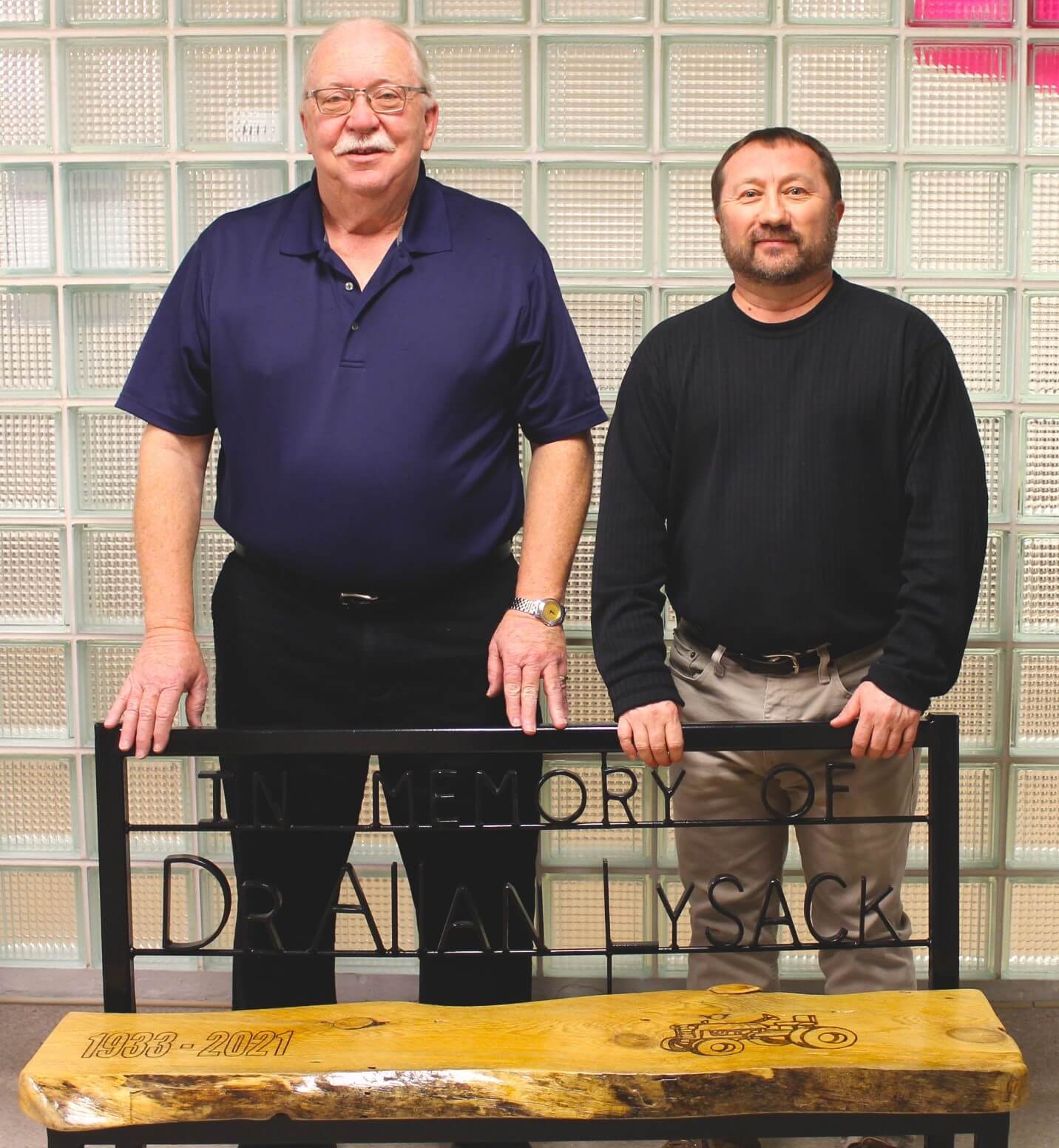
Dauphin Hospital Foundation president Greg Thompson, left, and Public Relations director Blaine Kraushaar with a bench donated in memory of Dr. Allan Lysack, whose medical career spanned over five decades.
“We review policies, funds, financial information and equipment and staffing support requests at meetings throughout the year, including our annual meeting in November. But we are overdue for a good think-tank, planning-type session since, obviously, lots has changed since the Foundation was formed, and it will put us on solid footing as we look ahead to the future,” Kraushaar added.
Thompson adds, some of the work is already underway with plans to further promote scholarships and specific funding availabilities through estate funds like the Delha Cort fund.
“The educational endowment fund was established in the 1990s in a bequest from long-time Dauphin resident Delha Cort. She was very supportive of finding ways to assist in staff education, and over the years, we have provided several levels of support for staff that have inquired and are eligible. We think there is room for even more opportunity there, and we all know how current recruitment and retention of health care professionals are front and centre.”
Another estate fund —the Martha McDonald Fund— was established in the late 80s through the Canadian Cancer Society and recently came under the Foundation’s umbrella. The endowment focuses on enhancements for Dauphin area cancer services and the DRHC chemotherapy unit.
The Foundation has also established a way to contribute online through Canada Helps, located on its website, and recently defined a process that allows donations of shares back to the Foundation.
“We’ve had a couple of recent donations of shares from individuals that we have processed through ScotiaMcLeod financial. We want to get the word out on opportunities like that and other estate and legacy information. These are all significant ways to leave lasting legacies through the Foundation as we look forward to the next 35 years!” Thompson said.
Although only a couple of estate funds and endowments were mentioned here, the Foundation sincerely thanks all who have contributed in the past. Anyone interested in making a contribution can talk to their lawyer or investment advisor or contact the Foundation directly, through the hospital, at 204-638-3010 or online at www.dghf.ca.
Representatives on the Foundation Board also include Malcolm Strang, Gail Hrehirchuk, Kim Safronetz, Laurie Vandendool, Ron Ryz, Lynn Smith, Dr. Trina Mathison and support staff, which include Curt Gullett, Michelle Jubenvill and Nicole Borgstrom.
Major health care capital projects well underway in Brandon
Major health care capital projects well underway in Brandon
Provincial, regional and local representatives were on hand in Brandon March 29 to participate in groundbreaking ceremonies for key capital projects that are underway at Brandon Regional Health Centre (BRHC) and the Western Manitoba Cancer Centre (WMCC). The expansion at WMCC, which will include a ‘Centre of Hope’ received a significant contribution of $3.5 million from the Paul Albrechtsen Foundation.
“I am pleased to announce that The Paul Albrechtsen Foundation has donated $3.5 million to establish the Paul Albrechtsen Centre for Hope at the WMCC in Brandon, said Lee Meagher, Chair, CancerCare Manitoba Foundation. “This very significant gift enables the construction of this Centre that will be co-located with clinical services, providing the much-needed supportive and emotional care cancer patients and their families deserve,” said Meagher.
The BRHC redevelopment project represents an investment of nearly $110 million and the expansion of the cancer centre is nearly $26 million. Work on the cancer centre is expected to be complete in 2024 while construction at the BRHC will conclude in 2025. Both projects are supported in part by the Brandon Regional Health Centre Foundation and the CancerCare Manitoba Foundation, respectively.
“Our government remains steadfast in our commitment to heal health care in Manitoba, and we providing historic investments to help reduce wait times, improve access and provide more services closer to home,” said Manitoba Premier Heather Stefanson. “These significant investments will enhance access to clinical and cancer services for residents in this region, and support the BRHC’s important role as the province’s hub for specialized services in Western Manitoba.
Substantive construction to expand BHRC began in November 2022, following the completion of work on an adjacent parking lot. Piling for the building expansion has since been completed and foundation work is now well underway. When complete, project highlights include:
30 additional medicine beds;
a new, 16-bed intensive care unit, up from the current nine, with additional staffed adult beds to meet the increasing demands of the health region and province; and
an expanded neonatal intensive care unit.
“Moving forward on these major projects will further enhance the very important roles BRHC and the WMCC play in the provision of specialized services in the region and province,” said Brian Schoonbaert, CEO of Prairie Mountain Health. We sincerely thank our staff and physicians who have been instrumental in providing input and leadership on these improvements and acknowledge, and thank, the BRHC Foundation for their continued dedication and support in related fundraising campaigns.”
Meanwhile, construction crews began mobilizing at WMCC across the street in January, where work on a planned 9,400-square-foot expansion is underway. The contractor is fully mobilized on site, and the excavation has commenced. When complete, the expansion will provide space for:
additional exam/procedure rooms and treatment spaces;
a new medical linear accelerator, commonly used for delivering external beam radiation treatments to patients with cancer; and
a Centre for Hope that will provide supportive care services to Westman patients and families for all cancers, providing a continuum of care that starts at the point of diagnosis and includes education, services, and programming throughout the patient’s cancer journey.
“The expansion of the WMCC to include additional radiation treatment capacity, medical oncology and hematology and the addition of the Centre for Hope enhances our commitment to provide Manitobans with quality care closer to home, integrating clinical care with supportive care at the same location,” said Dr. Sri Navaratnam, president & CEO, CancerCare Manitoba.
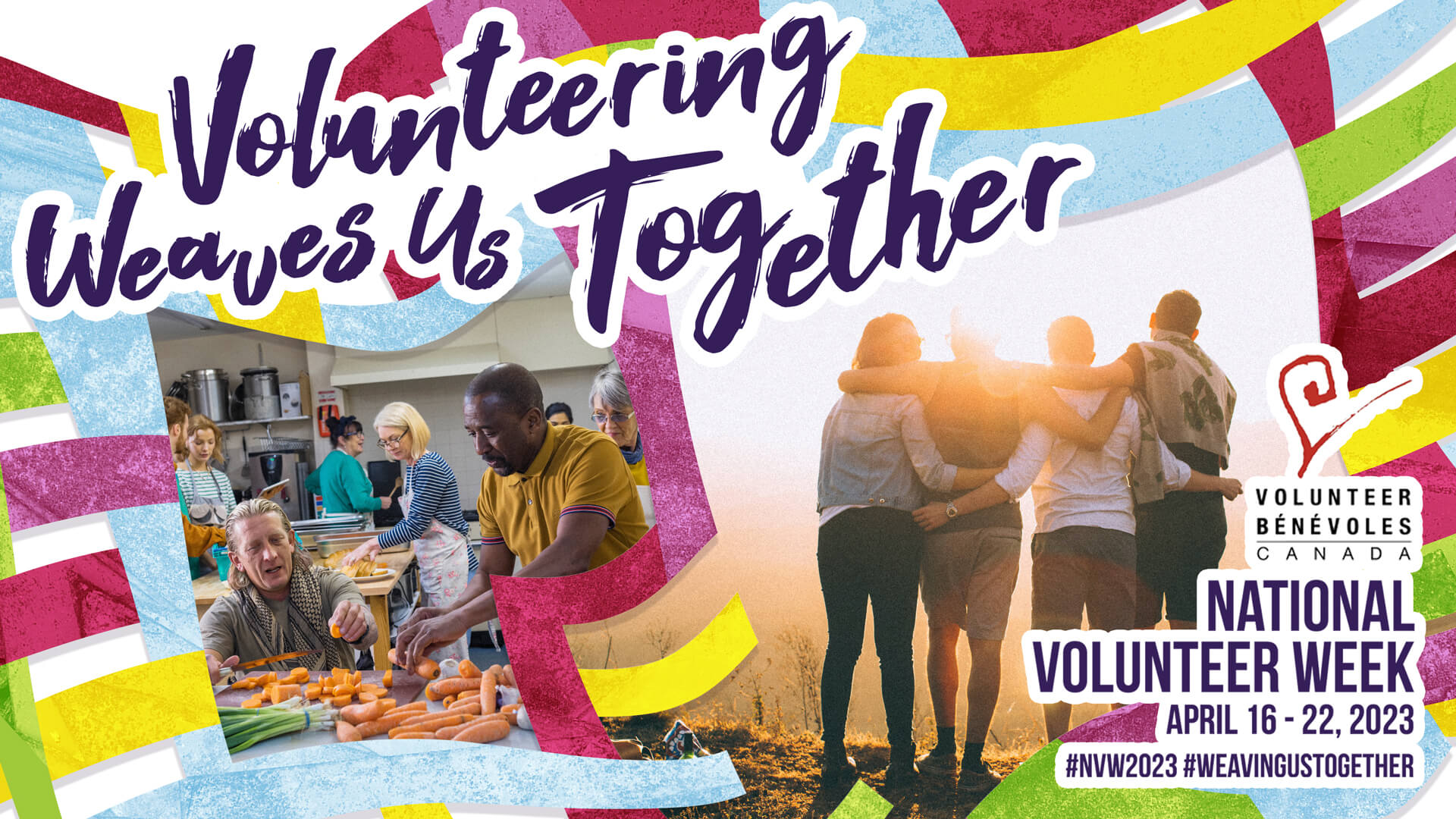
This year, National Volunteer Week falls during the week of April 16-22. Volunteers continue to make a significant difference in the health and well-being of our residents and the patients/clients we serve.
Recognizing and highlighting this special week provides Prairie Mountain Health (PMH) with another opportunity to celebrate and thank all of our volunteers for all they do, year-round!
This year’s theme for 2023 is ‘Volunteering Weaves Us Together.’ This reveals the importance of volunteering to the strength and vibrancy of our communities through the interconnected actions we take to support one another. These diverse forms of sharing our time, talent and energy strengthen the fabric of our community. Through volunteering, we experience our interconnectedness, making our lives more meaningful. By getting involved in various ways, we find friendship, develop trust and link our relationships. Threading these connections, we come to a sense of belonging as we contribute towards the same goals.
Prairie Mountain Health is graced with volunteers that support Long-term care, Acute care and Community Health programs across the region. We have volunteers participating on Boards, Foundations, Auxiliaries and various other community meal and harm reduction programs. All work effortlessly to further support and assist collaborative health efforts across our large region. I’m sure you have noticed through various publications and social media, how much volunteers contribute towards the purchase of approved equipment for facilities and sites. We have dedicated volunteers that support the Community Volunteer Income Tax Program and Palliative Care program. It would be difficult to cover all the examples how people selflessly give of their time. Amazingly, over the last year, our volunteers have put in a collective total of over 23,000 hours!
We very much appreciate our volunteers who dedicate their time, knowledge, compassion and heart to helping Prairie Mountain Health. On behalf of our Board, Staff and Physicians, we sincerely thank you for all you do from the bottom of our hearts. If you see a volunteer, thank them for “weaving us together”.
Volunteers at Fairview PCH – Brandon
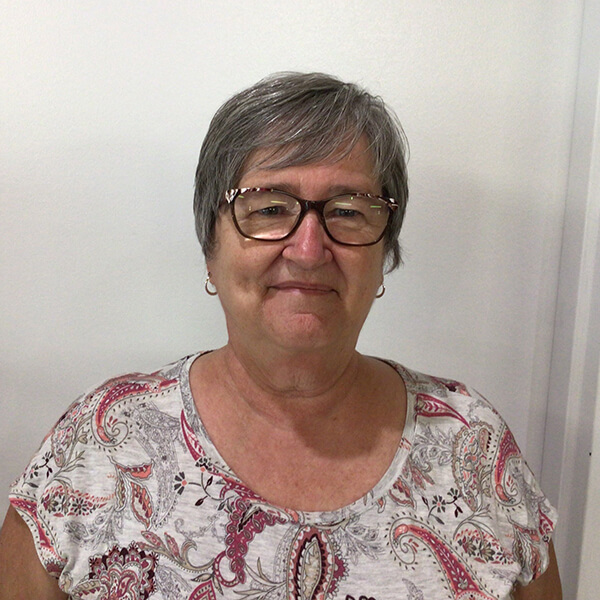
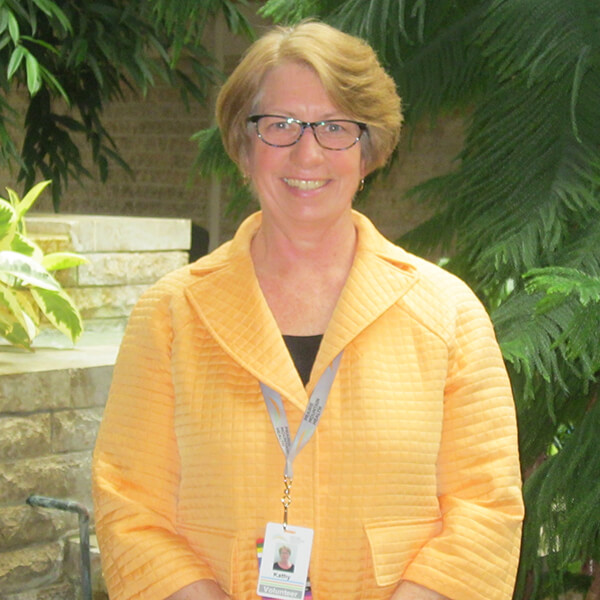
“Here are three examples of Fairview’s many wonderful volunteers. Arlene & Grace both play piano at Fairview, entertaining the residents. Music is a very popular program! Kathy is one of our recreation assistants—she assists regularly with birthday parties held on each of the units. Since the pandemic, our programs in long term care have changed as needed due to guidelines…but one constant is the importance of our friendly volunteers. Thank you to all of our awesome volunteers for sharing your time & talents!” – Maxine Brown, Coordinator Volunteer Services – Fairview
Arlene, Grace & Kathy
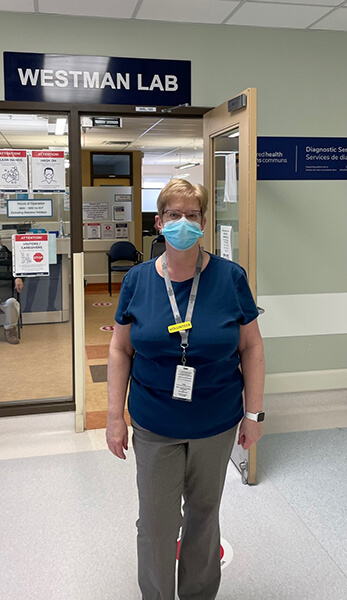
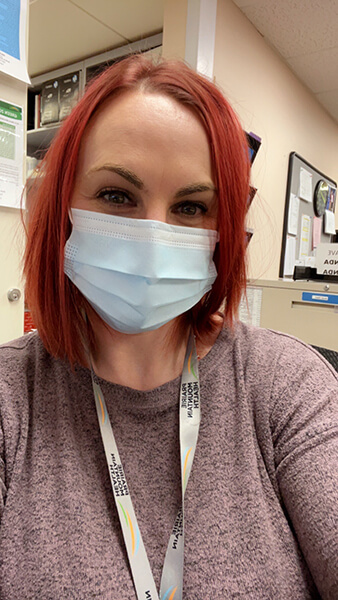
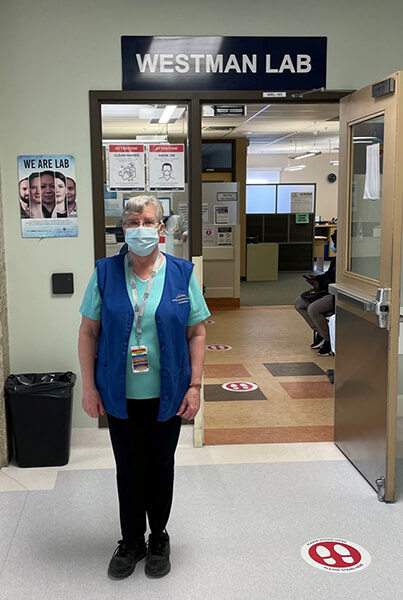
Volunteers at Westman Lab – Brandon
Westman Lab would like to take this opportunity to celebrate the hard work and dedication of our volunteers! We have 7 wonderful volunteers that choose to help us!
Hazel has been with us since the fall of 2016 Cheryl started in the spring of 2017 Barb started in the fall of 2018 Penny started in the fall of 2020 Heather started in the winter of 2020 Aleeta and Amna both started in December of 2022.
We want to let you all know that we couldn’t do it without you! Thank you so much for all you do!
Healthy Baby Program
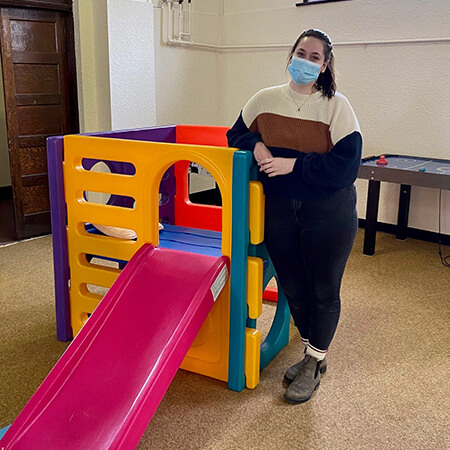
The Healthy Baby Program would like to recognize our Volunteer Hailey Pringle! Hailey is a volunteer childminder with the Healthy Baby Program in Brandon. The PMH Healthy Baby program is a community support program for parents who are expecting and for those with little ones under 1 year of age. Hailey provides childminding for parents who attend session with their preschool aged children. This allows the older children to socialize and play with other children while the parents have an opportunity to learn and spend one on one time with baby! Playing, reading, drawing and crafting are all things Hailey does in the childminding room! Hailey has been with us since September and we appreciate her dedication to the program!
Steppin’ Up with Confidence
The Steppin’ Up with Confidence program runs in many communities across PMH. It is an older adult exercise and falls prevention program, peer-led by volunteers in the communities. These Steppin’ Up leaders are all trained in the program and dedicate much time and energy to keeping our senior population moving. Classes meet once a week for an hour and along with some good exercise it is also about socialization and many laughs are had! Thanks to all of you!
Centre for Adult Psychiatry – Our Volunteers 😊
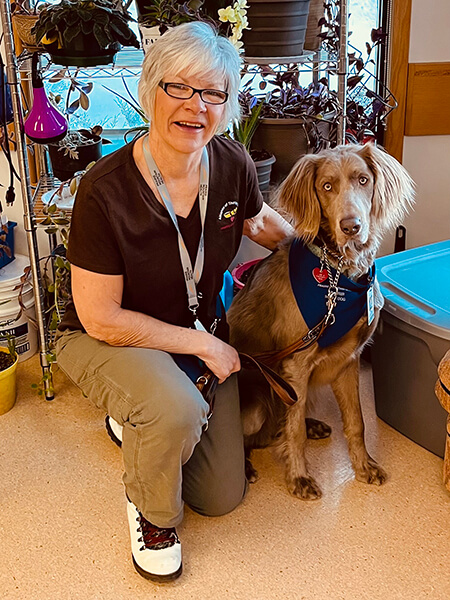
Ngaire & Tai – Pet Therapy – Ngaire has offered Pet Therapy at the Centre for Adult Psychiatry since 2016! Tai has been part of our CAP family for almost 6 years. His trading cards are a hit among the patients. A visit with Ngaire and Tai always boosts the mood rating and brings a smile to people’s faces. We cannot thank Ngaire enough for going above and beyond in providing opportunities for patients to interact with Tai during their stay at CAP. Ngaire brings a wealth of knowledge and compassion in meeting our patients needs. Thank you!
Olubukunola Otaiku ( Bukky ) – Recreation Assistant – For the past 6 months Bukky has been our weekend activities volunteer at CAP. She provided patients with the opportunity to engage in art on the weekend. Her welcoming nature and cheerful disposition are appreciated by our patients and staff. Thank you Bukky and good luck in your nursing studies.
Greeting Card Volunteer – Patients at CAP are very fortunate to receive creative and hand-written greeting cards for many occasions throughout the calendar year. Our heartfelt thank you to this thoughtful individual. You have no idea how much positive impact these cards have for individuals. Thank you!
Lyndon Bournon – Music Therapy – Lyndon offers live music at CAP a couple times each month. He often has people tapping their toes and singing along. In addition, he has also offered to provide information sessions about Adult Education opportunities in Brandon, which is his day job. Thank you Lyndon!
Debbie Fisch – Anxiety Disorders Association of Manitoba (ADAM) – Debbie has been coming to CAP for 20 plus years to provide education and information about anxiety and the support opportunities available. We value her monthly visits and her commitment to helping people who struggle with anxiety disorders. Thank you Debbie! Please check out https://adam.mb.ca
Mood Disorders Association of Manitoba (MDAM) – ( Susan Spiropolous, Brent Rosnoski, Marian Goldstone )
CAP is fortunate to have monthly informational/educational presentations from Marian, Brent and Susan. They share personal experiences and promote living in wellness. They provide support, education, and advocacy for those living with mental illness through a wide range of peer support and other services. We value the relationship we have formed. They are always available to connect with patients in between their visits. Thank you! Be sure to check out their website: https://moodmb.ca
Lyndon Bournon – Music TherapyNgaire & Tai – Pet TherapyDebbie Fisch – Anxiety Disorders Association of Manitoba (ADAM)Mood Disorders Association of Manitoba (MDAM) (Susan Spiropolous, Brent Rosnoski, Marian Goldstone)Olubukunola Otaiku (Bukky ) – Recreation Assistant
Brandon Regional Health Centre Volunteers
Thanks for everything you do!
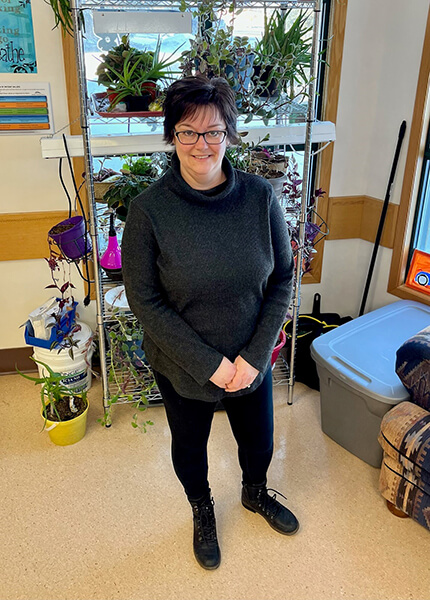
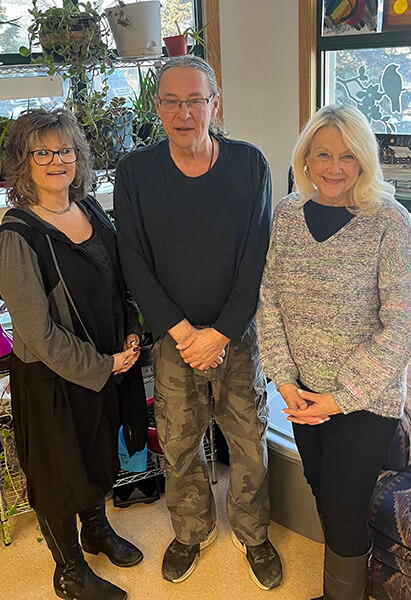
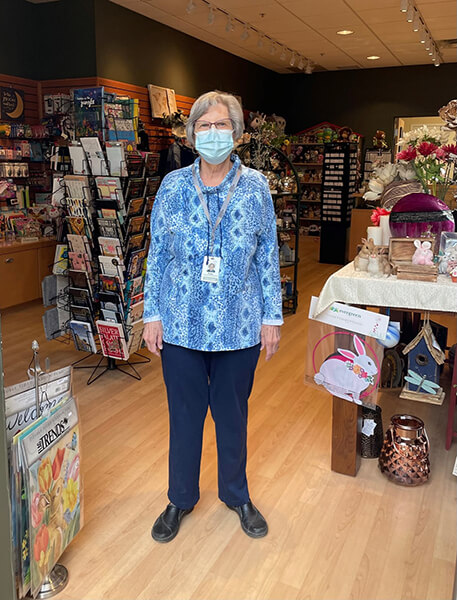
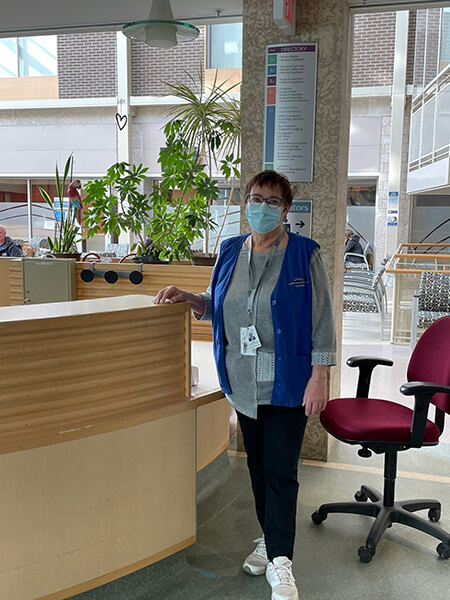
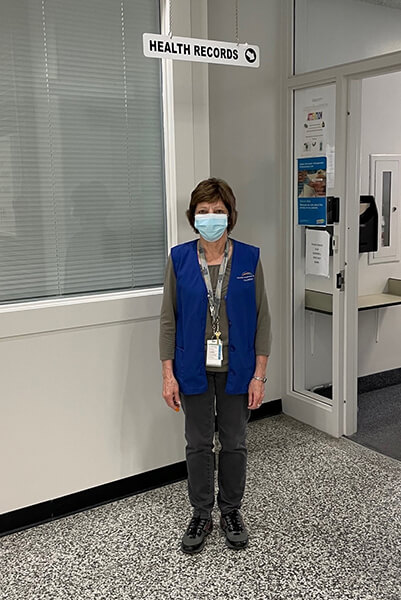
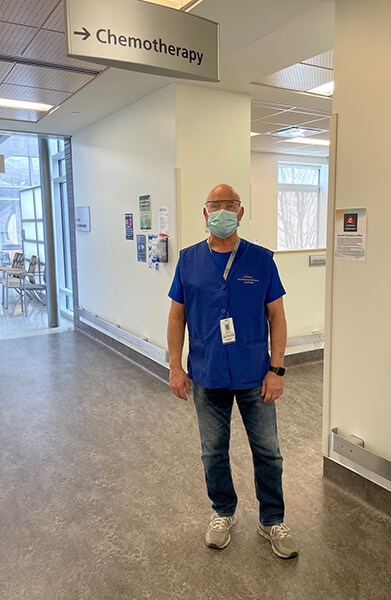
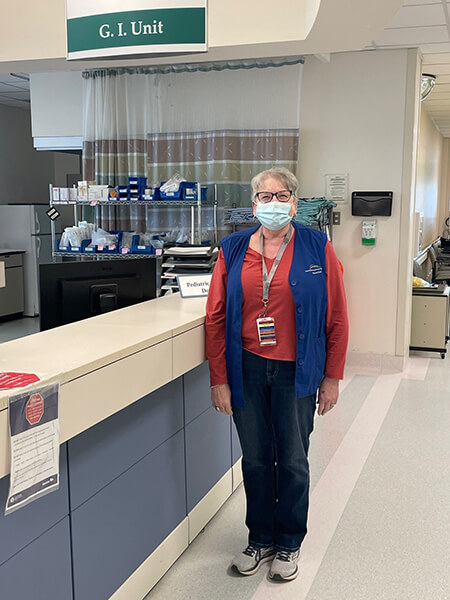
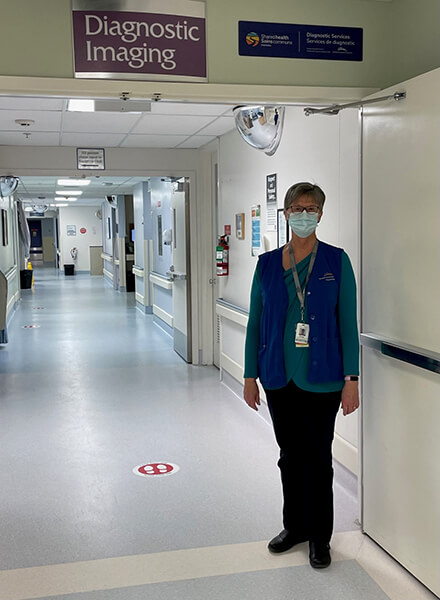
Rose has been volunteering here for 31 years, Rose has volunteered in many departments and is currently volunteering in the gift shop. Lois has been volunteering with us for 2 years, she started during the pandemic helping in any way she could, she currently volunteers cuddling babies in our NICU and is an ambassador greeting and helping people way find.Dorothy has been a volunteer with us for 22 years! She has had many roles, she currently volunteers in the health records officeDarrell has been volunteering with us for 4 years, he currently volunteers at WMCC and is always will to help out in other roles if needed. Connie has been a volunteer with us for 5 years, Connie volunteers in our GI unit and NICU and casual WMCCCheryl has been a volunteer with us for 6 years, Volunteers in the lab and diagnostic imaging Barb has been volunteering with us for 5 years, she volunteers as a lab attendantAmanda has recently started volunteering with us and is also a PMH employee, Amanda volunteers cuddling our NICU babies!Aleeta has been volunteering with us for almost a year, Aleeta volunteers as an ambassador and lab attendant
For more than two centuries, vaccines have helped keep people healthy.
‘Vaccines are one of the most impactful scientific innovations of all time, helping to protect generations of people against infectious diseases throughout the course of their lives. A culmination of over 200 years of research, worldwide collaboration and rigorous testing has led to the development of safe and effective vaccines for more than 25 diseases.’
Every April, World Immunization Week brings together people from around the world to highlight the importance of vaccines and how they protect people of all ages against many diseases. This year’s campaign comes with a reminder that it is time to catch-up! The COVID-19 pandemic disrupted essential health services, including routine immunizations and unfortunately many children are still missing the life-saving benefits of recommended vaccines. In PMH we are encouraging parents to contact your local public health nurse or primary care provider to ask about your child’s immunization status. Public office locations in PMH Public Health – Prairie Mountain Health
Visit immunize.ca to learn more about National Immunization Awareness Week.
Mobile Addictions Clinic Pilot Project Underway in PMH
March 15, 2023
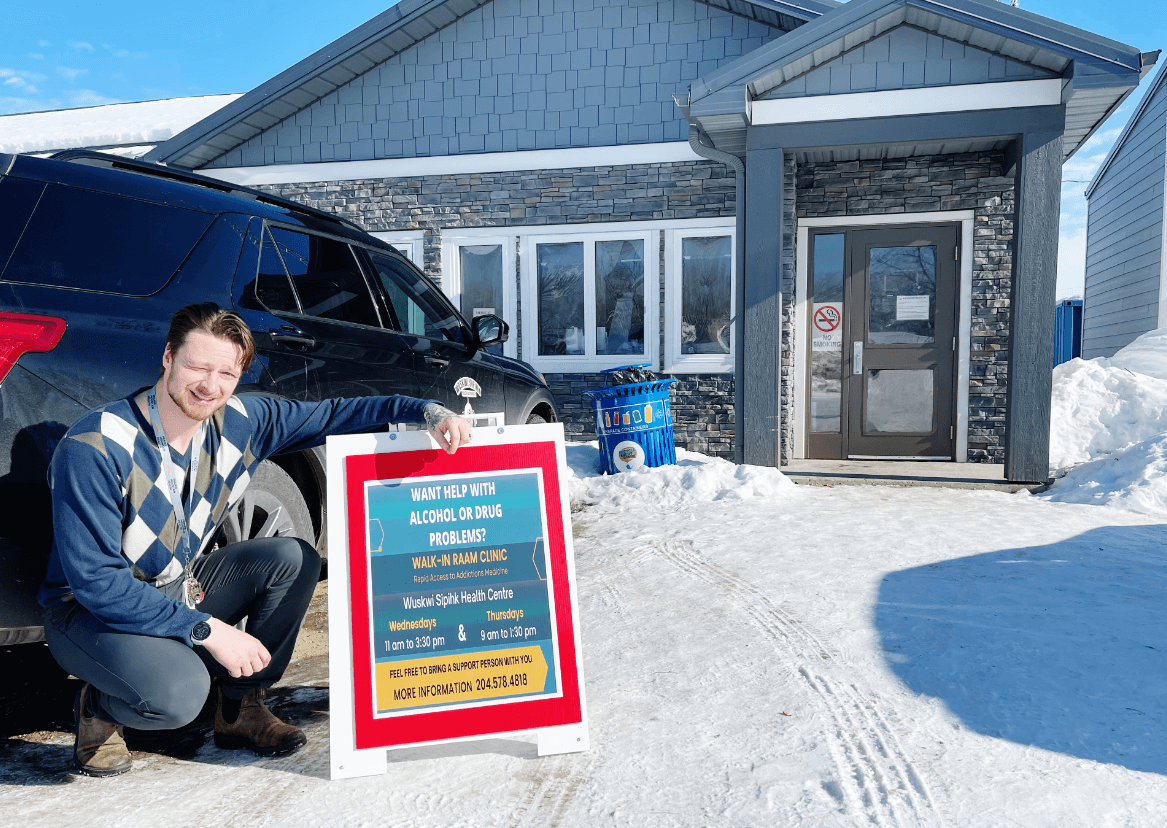
In partnership with Health Canada and Shared Health, Prairie Mountain Health has commenced a pilot project to further enhance access to addictions services within the health region. With the support of $897,416 from Health Canada’s Substance Use and Addictions Program (SUAP), and in collaboration with local health partners and stakeholders, PMH is offering mobile Rapid Access to Addiction Medicine (RAAM) clinic days in three communities: Wuskwi Siphik (weekly) and Russell and Virden (bi-weekly).
The Mobile RAAM Clinic is a crucial step in addressing addiction, the stigma surrounding substance use disorders, and trying to eliminate barriers to access services and support. I am privileged to be a part of this program, and allow for change within Indigenous communities burdened by this epidemic. – Colton Roback, Nursing staff, Mobile RAAM Clinic – Wuskwi Sipihk First Nation
Mobile RAAM Clinics feature a staffing complement consisting of a physician, nursing staff, rehabilitation counsellors, and administration support. On clinic days, nursing staff and rehabilitation counsellors, with experience in harm reduction, will travel to the local health care clinic to provide services. A physician will be present (in-person or by virtual means) on the first day of each clinic in each community.
The team clinic approach supports ‘in-community’ services and builds capacity for local primary health-care providers to manage ongoing treatment of all substance use disorders, including the use of Opioid Agonist Therapy (OAT).
The mobile clinic project is an extension of the RAAM model, first introduced to Manitoba in 2018. Service delivery is based on improving access to addiction medicine through low barrier walk-in clinics. People can visit to get help for substance use without an appointment or formal referral. There are currently six site-based clinics located in Manitoba, including one in Brandon at the 7th Street Health Access Centre.
To view the RAAM Clinic schedules within Prairie Mountain Health, visit the PMH website here.
Making a Difference in our Communities
I feel the Mobile RAAM Clinic pilot project in our community is truly a blessing! With the assistance of PMH and the clinic staff we can help our community members to survive and possibly live a longer life. The mentoring that is being provided to our Nurse Practitioner will give her the ability to assist our members in the areas of harm reduction. She will also be able to manage ongoing treatment of the substance disorders for our clients. We are very grateful for this opportunity to help our community members in need. The PMH staff, doctors and nurses are very friendly and wonderful to work with. The community members are very grateful to have this health project in our own community.
Cynthia Munro – Health Director, Wuskwi Sipihk First Nation
As the physician on the ground for the project, I’m very glad to have the institutional backing to provide care directly to populations most affected by the stark economic realities of travelling for healthcare in rural Manitoba. I’m excited by the connections we’re forming with health-care providers in very small communities, which are increasing their ability and confidence to care for challenging and complicated patients. If we’re lucky and committed, we can create a robust integrated network of addictions care throughout the region appropriate for our geography and social circumstances.
Dr. James Rae, Mobile RAAM Clinic Physician, PMH
As someone who has worked in addictions for over eight years, I am most enjoying the medical support of the Mobile RAAM team. The mobile RAAM clinic offers an opportunity for people to reach out and receive support when they need it. There is no waiting weeks for appointments in order to start the process and people come in when ‘they’ are ready to explore or begin the process of change. Having the opportunity to speak with a counsellor, nurse, and physician in one location on the same day helps to manage the significant transportation barriers we see in our rural communities.
Christine Little, Rehabilitation Counsellor, Mobile RAAM Clinic – Virden, Russell
Being able to reach people a little closer to home who aren’t able to get themselves to a larger center like Brandon on a regular basis due to distance. I’ve enjoyed being able to see this service expand into rural communities where services like this are nearly non-existent.
Lynsey Jensen, Nursing Staff, Mobile RAAM Clinic – Virden, Russell
In working collectively with the Mobile RAAM team, we’ve had the ability to harness our own unique knowledge and strengths, while providing a service that is fluid and supports the autonomy of each individual we work with. I continue to learn so much from my team, and am so grateful for the support I receive from each of them. We have also had the opportunities to collaborate with different agencies, which has supported our ability to increase substance use treatment education in the community, enhance service opportunities, and build opportunities to overcome barriers and bridge gaps in services for those accessing substance use treatment and care. In bridging gaps and building connections with our clients as we support them holistically in making positive, we ensure no one is lost within the gaps, providing greater access to increased levels of success for each individual. In a short time, I have already witnessed the positive changes our program has provided and look forward to the months to come as we continue to expand our program to an exceptional capacity!
Sesley Sloboda, Rehabilitation Counsellor, Mobile RAAM Clinic – Wuskwi Sipihk First Nation
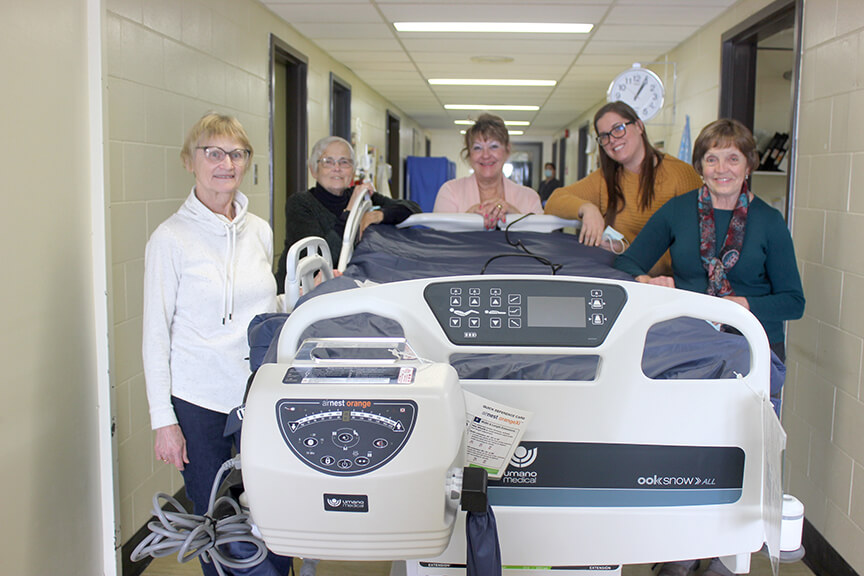
Russell Palliative Care Committee donates for bed purchase
Pictured clockwise from l-r are Louise Trinder Ethel Lungal, Lynette Snow, Russell Care Team Manager Abbey Vorlicek and Darlene Witty.(With picture/files from Russell Banner).
The Russell and Area Palliative Care Committee recently contributed towards the purchase of a special medical bed for the Russell Health Centre. The bed has an alternating pressure mattress, which was developed for the comfort of patients to help prevent bed-sores and skin break down. It’s also longer than others to help accommodate taller people. It is through very generous contributions, donated through the Palliative Care program, that the Committee is able to assist with much-needed purchases like these.
The Russell and Area Palliative Care Committee and Prairie Mountain Health thanks everyone for their heartfelt contributions that continue to benefit the Russell Health Centre.
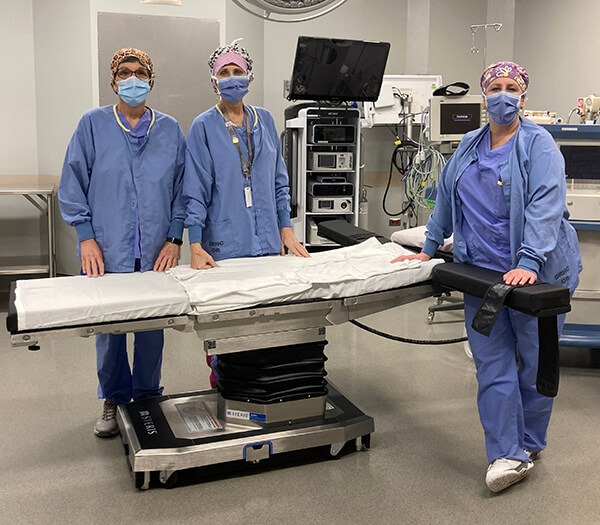
Hospital Foundation funds specialized equipment purchase
Pictured L-R: Sheila Sarkonak, Dawn Willemse and Terry Bloomer.
Operating Room patients at Dauphin Regional Health Centre will benefit from a recent contribution through the Dauphin Hospital Foundation. The Foundation provided over $59,000 to purchase a specialized operating room table for the surgical suite. With the new equipment are, from left, Sheila Sarkonak, Dawn Willemse and Terry Bloomer.
The STERIS surgical table has some special features which allow it to be placed in multi-positions along with X-ray access and multi-function power controls.
Dauphin Regional Health Centre and Prairie Mountain Health thank the Dauphin Hospital Foundation for contributing towards the purchase of this beneficial improvement in patient care.
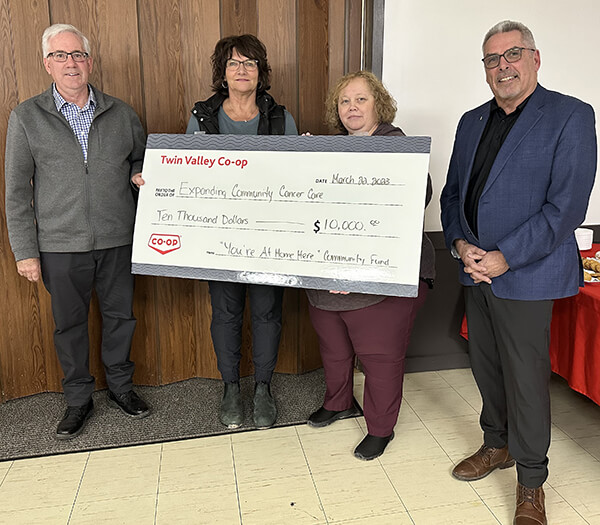
Twin Valley Coop donates $10,000
Twin Valley Co-op Board President: Mark Morton and General Manager: Dwayne Moncur, Expanding Community Cancer Care Committee: Andrea Glasman and Pam Demchynski
Twin Valley Co-op held their Annual General Meeting recently in Rossburn. The Expanding Community Cancer Care project (Russell) and the area support Committee was awarded a $10,000 donation through Twin Valley’s “You’re At Home Here” Community Fund Spring 2023 intake. Pictured are Twin Valley Co-op Board President: Mark Morton and General Manager: Dwayne Moncur, Expanding Community Cancer Care Committee: Andrea Glasman and Pam Demchynski. Prairie Mountain Health sincerely thanks the Twin Valley Co-op and all area residents and organizations for their contributions to the project. For more information about the “You’re At Home Here” Community Fund please visit www.twinvalleyco-op.crs.
Fit Fights Cancer
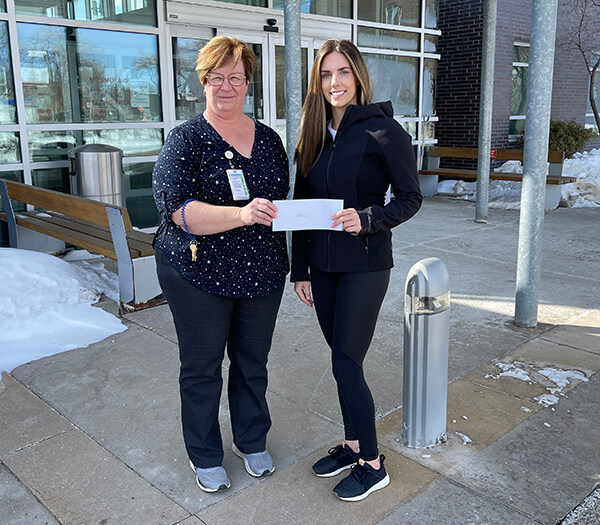
Pictured L to R: Kathy Ward from Western Manitoba Cancer Centre accepts the donation from Courtney Calvert of Fit Performance Centre.
Cancer has affected many of us at Fit Performance Centre. With world cancer day held on February 4th we decided it would be a great opportunity to help raise awareness and support those fighting by selling “Fit Fights Cancer” tshirts for the month of February. Thanks to those who participated and donated, we raised $350 to be put towards patient support funds at the Western Manitoba Cancer Centre.
Barley is a yummy and affordable high-fibre grain with a great texture. It has been cultivated for thousands of years and is Canada’s third largest crop. Barley was pictured on early currency in ancient Egypt and was eaten for endurance and strength by gladiators in ancient Rome.
We tend to think of it as an ingredient in soups and stews but it is also great in salad, casseroles and as a side dish. There are different types of barley you can buy at the store. The most common are pot and pearl barley. Pearl barley has been polished so the bran layer has been removed. For this reason, pot barley is considered a whole grain and pearl barley is not. Pot barley offers us a little more vitamins, minerals and phytonutrients. All types are good choices because the soluble fibre in barley is in the entire grain. Pot barley and pearl barley can be used interchangeably in recipes as they take about the same amount of time to cook. Barley can be cooked in a rice cooker just like brown rice, or on the stove by bringing barley and water to a boil then cover and simmer for at least 30 minutes. Check it often and stop cooking when it has reached your preferred level of chewiness. Extra can be frozen then added to soups or salads later.
Here are some things to do with barley:
Try using barley instead of rice to increase variety.
Enjoy it as a hot cereal
Bake with it by replacing about ½ wheat flour with barley flour in recipes
Eat it as a side dish! It’s great with slivered almonds and dried apricots; lemon, parmesan and sautéed greens, or parsley and mushrooms. Here is one of my fav’s Spanish Barley | GoBarley
Mobile food cart cues up better choices within personal care homes
Mobile food cart cues up better choices within personal care homes
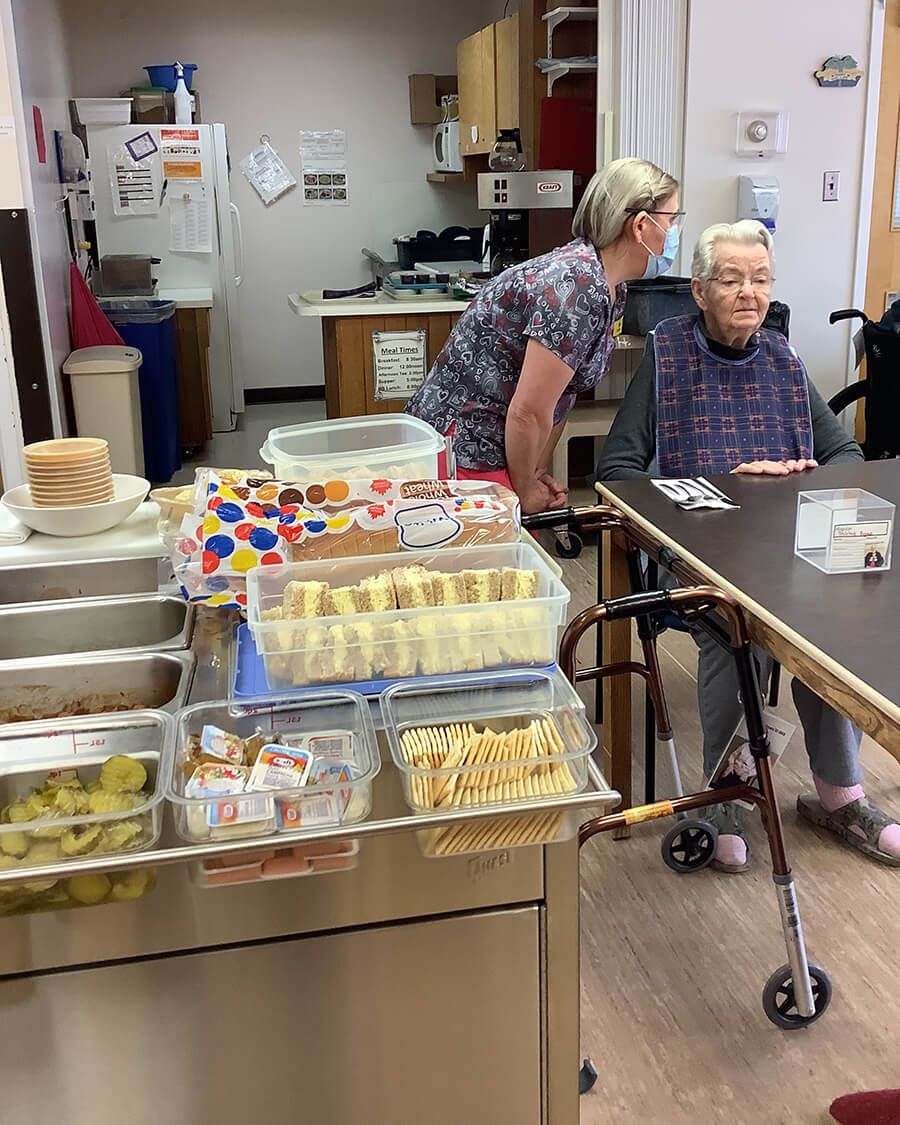
Prairie Mountain Health (PMH) is excited to try new approaches to enhancing dining experiences within its long-term care homes. One such improvement was the introduction of a “Suzy Q Cart” within Birtle Personal Care Home (PCH)in late 2022. This mobile cart keeps food hot (or cold for cold meals) and allows Nutrition services staff to bring the food to the table. Residents can see and smell the food and are offered a choice of which food items to have and how much they wish to eat. The food is served at the right temperature right from the cart.
Before Suzy Q, staff prepared meals for residents based on previously communicated preferences. One dining room received meals on trays. Nutrition services maintained lists of likes/dislikes and tried hard to ensure the food met the residents’ wishes. However, food was often wasted as, like all of us, residents may not feel like eating the option or the amount provided. Sometimes food was cold by the time residents arrived to eat.
A lot of work went into the transition to this style of dining. Maintenance staff installed the correct electrical work. Nutrition services revised workflows and experimented with different cart setups and forecasts of resident choices. Staff also stopped closing the dining room and offered beverage choices as residents arrived. Health Care Aide staff also changed their flow assist with meal set up in the dining room.
Staff at Birtle PCH already knew their residents well, but this dining style encourages staff and resident communication. The first week, staff were surprised to see residents’ choices. One resident said, “Suzy Q cart is a great idea.” One resident who always had hot cereal chose cold cereal, and one who never ate vegetables chose vegetables. One resident who could not communicate verbally could choose the soup when staff wrote down the two choices.
The meal service doesn’t take long, which is one worry staff had prior. However, staff are far more interactive with the residents when they are in the dining room. Already, staff notice they have less food waste. Food leftovers are safely cooled and used as a second option the next day, just like at home. The site has been going through a lot of tomato juice, a popular beverage choice.
Ultimately, Suzy Q style dining is not so much about the cart but is about respect and dignity, honouring the residents’ choices and building relationships with the residents.
Within PMH, four more PCHs will be introducing Suzy Q carts later this year, and several others are introducing additional options, such as cold beverage choices.
Suicide is tragic and distressing. Families, friends and communities are deeply affected following a death by suicide. This reinforces the urgency for a better understanding and prevention of suicide. In 2022, Statistics Canada reported that approximately 4,500 people die by suicide every year. We also know that for every 1 suicide death, there are 7–10 people profoundly affected by suicide loss.
Dr. James Bolton, Medical Director of Shared Health Crisis Response Services and Health Sciences Centre Emergency Psychiatry, said it best, “As difficult as these statistics are to read, they serve to highlight the magnitude of the impacts of suicide in our community and why it’s imperative to remember that, however uncomfortable it can be to discuss suicide, it’s a conversation we need to have.”
People at risk of suicide are often seen in healthcare settings – we want to have that conversation. We want to connect with you and will ask about your mental and physical health.
If you are experiencing suicidal thoughts, reach out. We are here to listen and help.
If you or your loved ones need help, please reach out to the below suicide prevention resources.
PMH Crisis Line (over age of 18) – 1-888-379-7699
PMH Crisis Line (under age of 18) – 1-866-403-5459