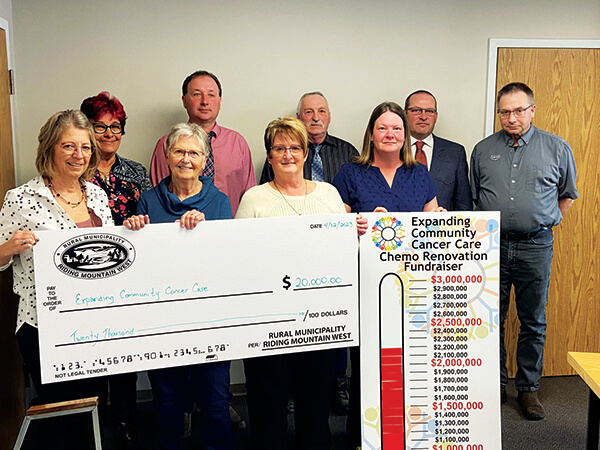
Russell Expanding Community Cancer Care Committee (ECCC) receives another donation- Eunice Koss and Betty Beischer, members of the Russell ECCC accepted a $20,000 donation from (front row;) Councilor Darlene Jackson back row: Councilor Judy Usiner, Reeve Grant Boryskavich, Councilor Albert Holopina, Councilor Brett Bauereiss, Councilor John Pickup and (front right) Councilor Kathy Bennett, members of the RM of Riding Mountain West council. The money has been earmarked for equipment for the Cancer Care Unit. Fundraising continues for equipment and paving of a new parking lot, designated for chemotherapy patients.
The first full week of May marks National Hospice Palliative Care Week in Canada. The Canadian Hospice Palliative Care Association (CHPCA) is the national leader in the pursuit of quality hospice palliative care in Canada through supporting initiatives of public policy, education, knowledge translation awareness and collaboration. The Prairie Mountain Health Palliative Care Team is joining this annual awareness campaign to celebrate this year’s theme “Palliative Care is Everywhere”
Palliative care is a commitment to whole person care that helps to relieve suffering and improve the quality of life for those who have a life limiting illness that cannot be cured. Palliative care helps clients, and their families, with physical care, emotional needs, pain and symptom management, spiritual care, cultural needs, end of life planning and bereavement. Comprehensive and quality palliative care is holistic care designed to support the client’s mind, body, spirit, and family when and where they need it the most.
Palliative care can be provided where ever the client is located, including in their own home, the hospital, a personal care home and/or the palliative care unit. The Palliative Care team can assist the client and family with determining their preferences for end of life care and help facilitate the resources needed to support these goals. Some people choose to die at home with the resources of family, nursing and home attendant support. If their needs can no longer be met in the home, or if they choose to die in a healthcare facility, admission to the hospital, palliative care unit or a personal care home is available.
The Regional Palliative Care team assists with connecting clients and families with helpful resources regardless of where they live in Prairie Mountain Health. When a referral is made, the Palliative Care Coordinator contacts the client or family to talk about their needs and develop a plan of care. The Regional Palliative care team works closely with many members of the interdisciplinary team including: the client, their family, facility staff, home care, pharmacists, physicians, other allied health professionals, community organizations and trained palliative care volunteers.
Every family navigating the challenges that arise when a loved one is diagnosed with a life-limiting illness deserves the best quality of care and support we can offer. Referrals to the program can be made by the client themselves or their family and physician. Learn more.
Palliative care is everywhere – Meet the team!
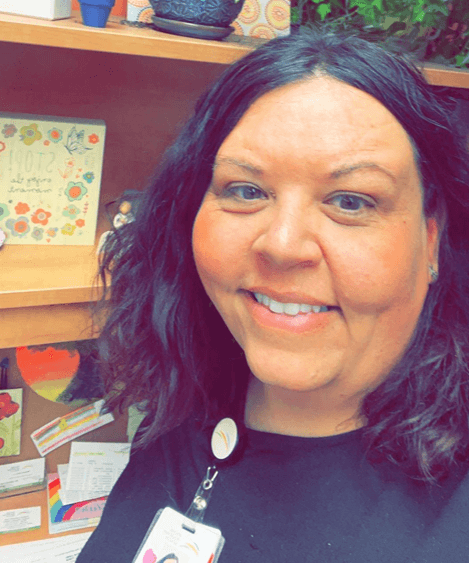
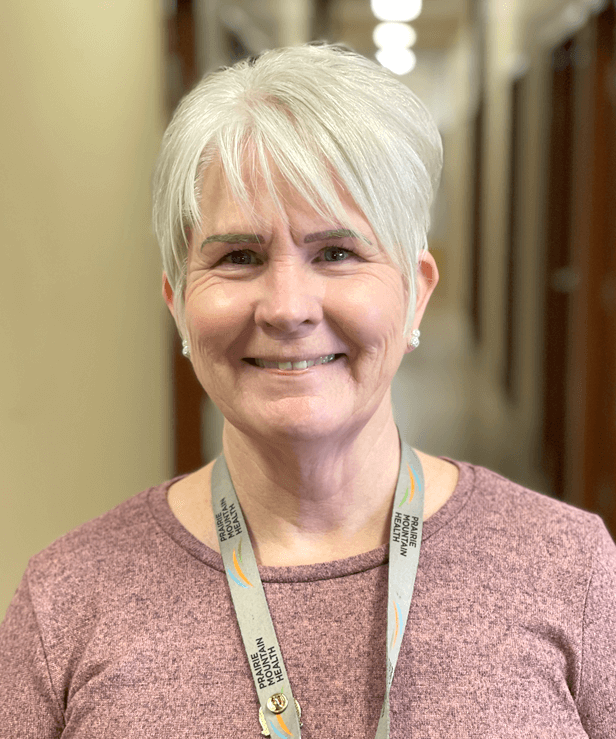
Melissa Peters – Regional Palliative Care Coordinator Covers: Brandon and areaEast Coverage Brenda Smith – Clinical Resource Nurse Covers: Baldur, Carberry, Cartwright, Erickson, Glenboro Killarney, Minnedosa, Neepawa, Rivers, Sandy Lake, Treherne, WawanesaWest Coverage Charla Murray – Clinical Resource Nurse Covers: Birtle, Boissevain, Deloraine, Elkhorn, Hamiota, Hartney, Melita, Reston, Rossburn, Russell, Shoal Lake, Souris, VirdenNorth Coverage Jenna Zurba – Clinical Resource Nurse Covers: Alonsa, Benito, Camperville, Crane River, Dauphin, Duck Bay, Gilbert Plains, Grandview, Mafeking, McCreary, Roblin, Ste. Rose Du Lac, Swan River, Winnipegosis, WaterhenCarla Mitchell – Regional Volunteer and Bereavement Coordinator Covers: All areas of PMH
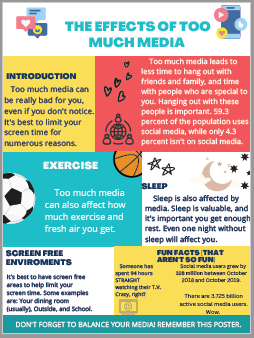
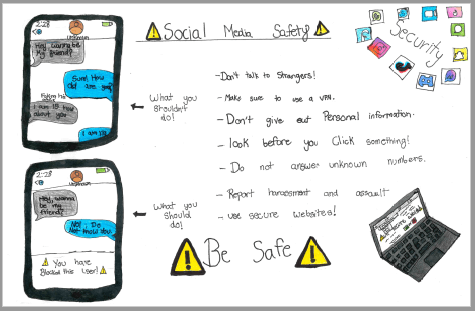
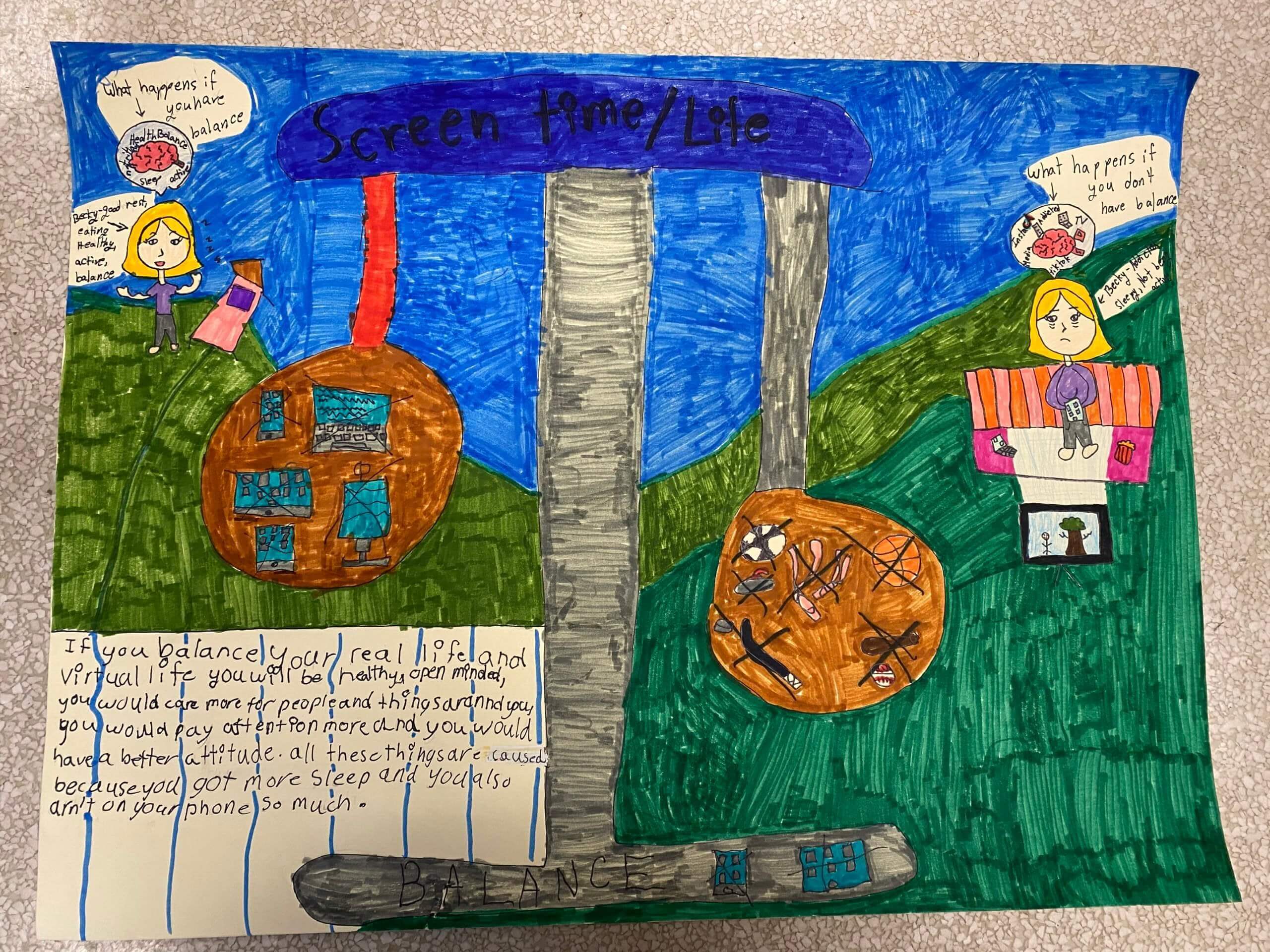
The Project Reset committee is pleased to share the winners of the creative project contest. The creative project contest encouraged middle years students in the pilot schools of both Rolling River and Brandon School Divisions to create awareness and build messaging around the issues of unbalanced media use, meaningful vs. passive screen use and the impacts these have on our health and well-being.
Rolling River School Division – Grade 6
In Rolling River School Division, all students in grade 6 at Tanner’s Crossing School in Minnedosa participated in the contest. There were a variety of posters, infographics and video projects submitted and the top 3 projects can be viewed here. The grade 6 classes are going to enjoy a field trip to Clear Lake as a way to celebrate their hard work!
1st Place: Sara-Lynn
2nd Place: Georgia & Brooklyn
Third Place: Mannat, Payton, Avani, Summer, Adayna & Daisha
Other Finalists
Reign, Elise & Ian
Willow & Milan
Garret & Zack
Brandon School Division – Grades 6 & 7
In Brandon School Division, Kirkcaldy Heights School and Linden Lanes School participated in the Project Reset pilot project and contest. The winning projects come from grade 7 at Kirkaldy Heights and grade 6 at Linden Lanes. The winning projects can be viewed here.
Video Category
1st Place: Lucy Ridgen, Quinn Poole, Luca Chae (Linden James)
Project Reset is an initiative focused on engaging with the school community and parents to create awareness about digital well-being and how to build skills to create screen time balance, digital literacy and strong digital citizenship both in the classroom and with families at home. Visit our webpage to learn more about Project Reset.
Moving forward in a digital world has exciting possibilities and challenges. By working together, we can influence when, where and how often digital media is used, help ensure safety on-line, reinforce the need for sleep and physical activity, and create device-free interactions/zones to positively impact health and development in a digital world. A big thank you to all of the students, staff and families that participated in the Project Reset- Finding Digital Balance pilot project.
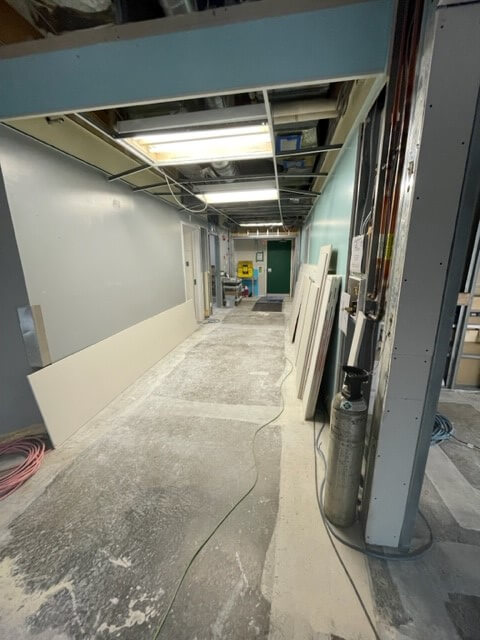
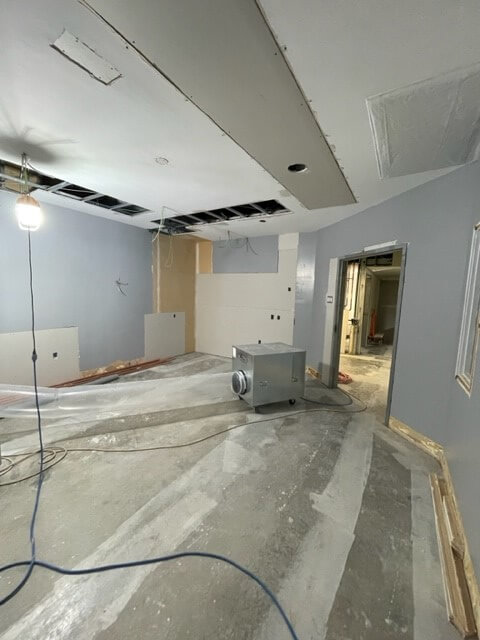
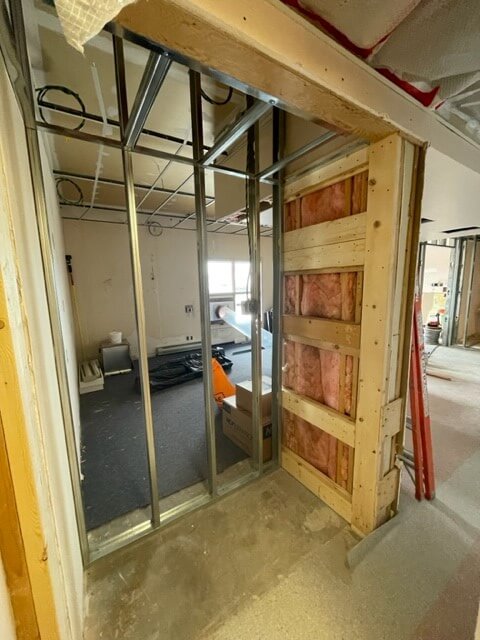
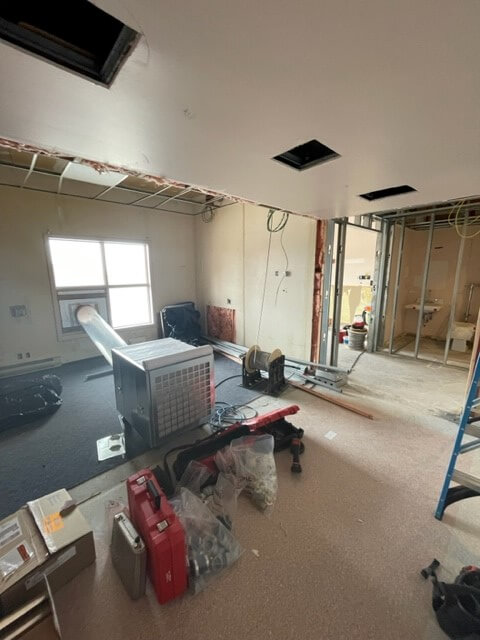
Emergency Department renovations well underway in three PMH health centres
Emergency Department renovations well underway in three PMH health centres
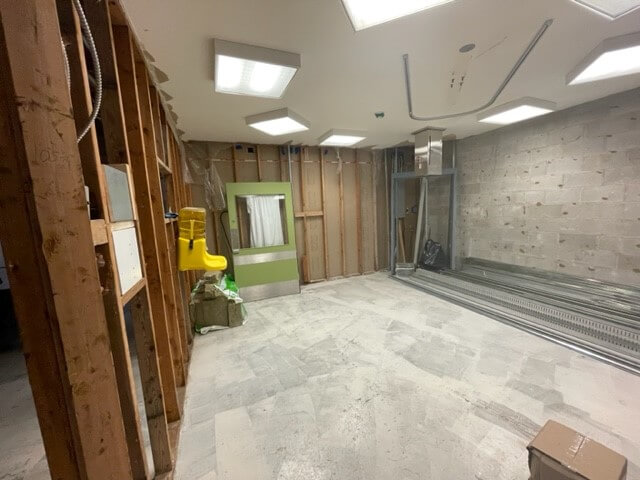
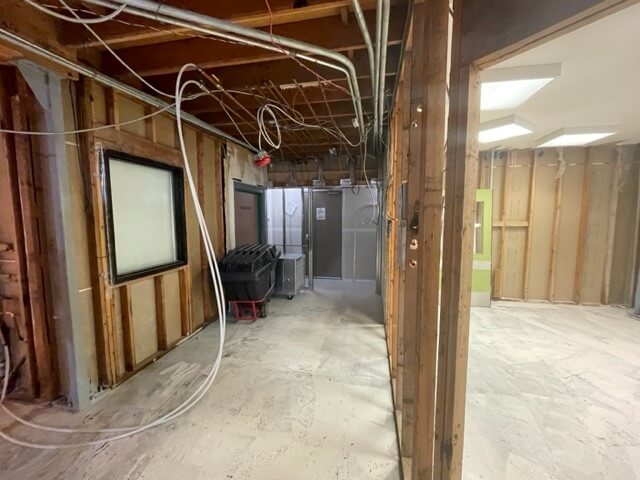
Prairie Mountain Health (PMH) continues to move forward on several major construction and renovation projects in partnership with Manitoba Health and Shared Health. There are three important Emergency Department renovation projects occurring in the Killarney, Souris and Virden Health Centers.
These Emergency Department (ED) renovations will remodel the EDs so that they can provide:
dedicated space for registration and triage for those attending the ED. This will provide greater privacy but also better sight lines for staff to view patients and the waiting area;
refreshed treatment spaces (e.g., new paint, flooring, etc.); and
improved wayfinding for those arriving at the Emergency Department and for those coming to visit inpatients.
PMH’s Regional Lead of Clinical Services Planning, Debbie Poole, stated: “We are very appreciative of the physician and staff involvement in the renovation planning and look forward to opening day where we can share the new look with the community.”
PMH remains committed to providing timely updates for patients, staff and community residents as the renovations progress through various stages.
Construction completion on these ED renovations is anticipated in the Fall of 2023. The cost of the three projects together totals over $ 1 million.
Tri-Lake Health Centre | KillarneyTri-Lake Health Centre | KillarneySouris Health CentreSouris Health CentreVirden Health CentreVirden Health Centre
Mental Health Promotion and Prevention Programs within PMH
Mental Health Promotion and Prevention Programs within PMH
May 1st to 7th is Mental Health Week. This week is an initiative of CMHA and this year the theme is: My Story. Everyone experiences mental health and each person’s mental health story is unique.
This year, CMHA will focus on mental health community programs and champions, while challenging people across Canada to tell their story using the hashtags #MyStory and #MentalIllnessAwarenessWeek.
CMHA has a toolkit that you can use, with virtual backgrounds and social media messaging and pictures.
Mental Health Promotion and Prevention Programs also exist within Prairie Mountain Health, facilitated by various departments including Health Promotion Community Development, Mental Health, and Dietitians.
Prairie Mountain Health has Mental Health services across the lifespan for children and youth, adults , and seniors. If you would like to make an appointment to speak to a mental health worker, call the intake line. If you are in crisis, call the crisis line for your area.
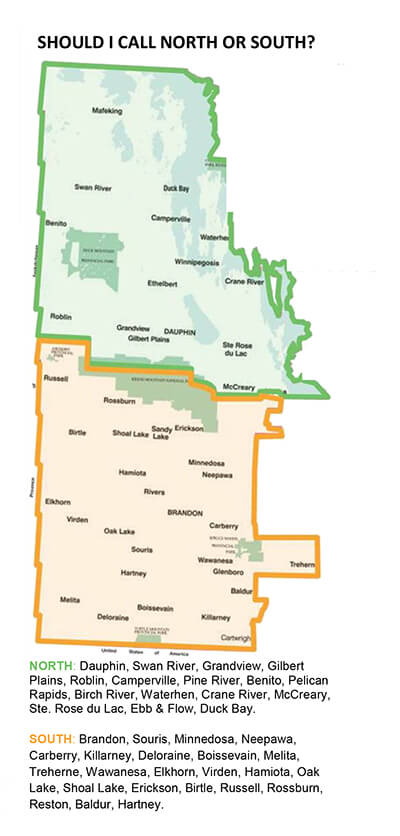
CRISIS – SOUTH DISTRICT (formerly Brandon, Assiniboine)
Adult crisis line, 24/7: 1-888-379-7699
Youth Under 18 crisis line 24/7: 1-866-403-5459
Crisis Stabilization Unit: 1-855-222-6011 or 204-727-2555
Mobile Crisis Services: 204-725-4411
CRISIS – NORTH DISTRICT (former Parkland)
Adult and Youth Crisis Line, (24/7): 1-866-332-3030
NON-CRISIS – SOUTH
Adult Community Mental Health Intake: 1-855-222-6011 (M-F 8:30-4:30)
Youth (17 and under) Community Mental Health Intake, see resources here.
NON-CRISIS – NORTH
Mental Health Intake (all ages)
Roblin: 204-937-2151
Ste. Rose du Lac: 204-447-4080
Swan River: 204-734-6601
Dauphin: 204-638-2118
Committees such as the Suicide Prevention Implementation Network (SPIN) and the Mental Wellness and Suicide Prevention Committee (MWSPC) facilitate mental wellness and suicide prevention initiatives across the region. The Expressions Committee also is another important committee to mention and promote; it is a collaborative effort of people recovering from mental illness; people submit expressions of their art and this year a Book Sale will happen that showcases people’s art.
Across the region Community Volunteer Income Tax Programs are available that allow people to file their income tax and therefore receive various government credits and benefits. There is also a project that encourages people to file their income tax called Get Your Benefits. Poverty can have a negative impact on people’s overall health; programs such as the Community Volunteer Income Tax Program and Get Your Benefits provide a way for people to access their income tax returns, credits, and benefits that increase their income and can therefore improve their overall well-being.
If your organization or group is planning an initiative to promote Suicide Prevention or Life Promotion and require some funding support, please see the attached forms. Each year SPIN provides funding to a maximum of $1500 for groups/organizations to offer programs or events to make Brandon and area suicide-safer, under the following categories:
Mental Health Promotion/Activities that build healthy, resilient communities
Suicide Prevention and Life Promotion Initiatives
Suicide Intervention or Post-Intervention Initiatives
Other (specify)
Applications are being accepted until May 17th 2023
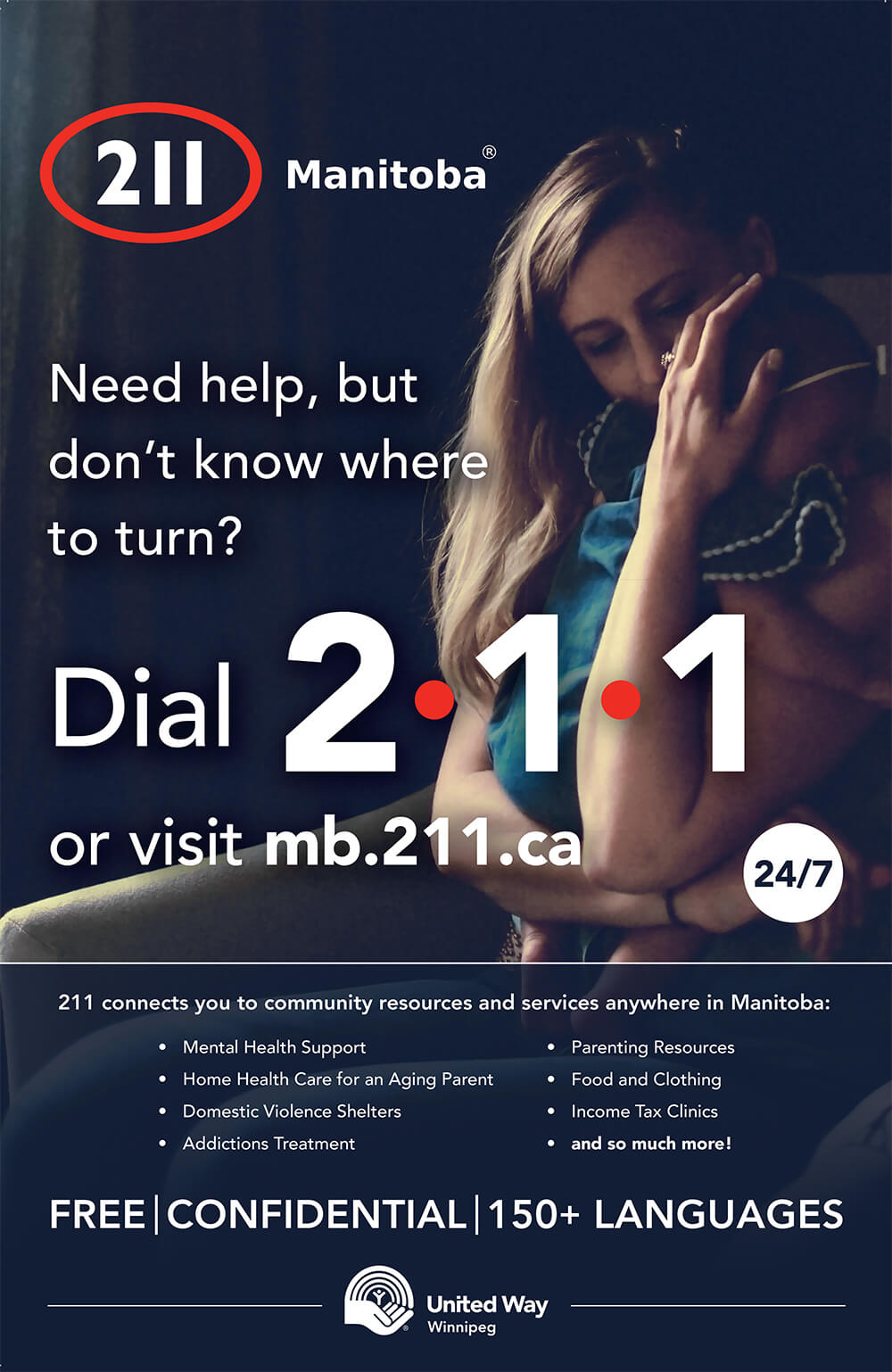
Manitoba 211 is a free confidential service that can be used to help people navigate this web of community, government, and social services support. This service is not just for mental health navigation. Text/call 2-1-1 or visit mb.211.ca
What’s going on around Prairie Mountain Health this Mental Health Week?
Swan River HERO Club BBQ May 5th from 11am-2pm at Extra Foods
Roblin HERO Club BBQ May 2 from 11:30am-1:30pm at Co-op Food Store
Dauphin HERO Club Fundraiser May 5th 11:30am-1:30pm, catered by Irvings Catering. Caesar salad and pudgy fries and coffee. Cost is $15/ticket.
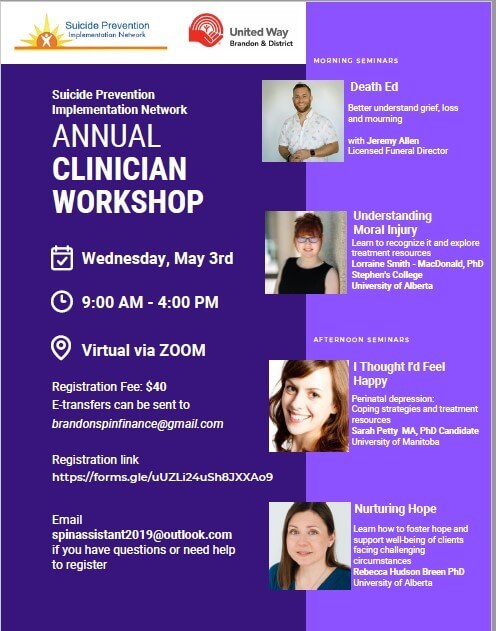
Annual Clinician Workshop by SPIN and United Way (see poster image)
World NO Tobacco Day: May 31 Grow Food, Not Tobacco
World NO Tobacco Day: May 31 Grow Food, Not Tobacco
May 31 marks the 36th annual World No Tobacco Day. This day, established by the World Health Organization serves to “draw global attention to the tobacco epidemic and the preventable death and disease it causes” (WHO 2023). The theme this year is Grow food, not tobacco and aims to encourage governments to support farmers to switch from growing tobacco to growing food thus improving food security and nutrition around the world. To find out more about this global advocacy work visit the WHO World No Tobacco Day webpage.
Closer to home in Canada, a number of organizations are regrouping to identify key actions to bring us closer to Canada’s target of less than 5% smoking rates by 2035. Significant strides have been made in the past couple of decades to substantially decrease smoking rates and the associated harms. However, the recent rise in vaping threatens to stall the progress we have made and create a new generation of nicotine users. The tobacco industry which owns most of the vaping products continues with heavy marketing to attract new people to use their products. If you are a parent, consider talking to your child about the harms of both smoking and vaping. More information can be found at Health Canada or the Consider the Consequences campaign website.
If you smoke or vape and are ready to make a quit attempt, we can help! Quitting smoking is one of the best things you can do for your health. There are several options available in Manitoba to support individuals making a quit attempt from one-on-one counselling and quit aids to online, phone and text support and we encourage you to check out our website for a full list of options. You can also call PMH’s Chronic Disease Education Program Toll-Free line – 1-877-509-7852, to arrange an appointment with a nurse educator and to enroll in the Tobacco Quit Card and Counselling program.
“Today is where your book begins / The rest is still unwritten” – Natasha Bedingfield
Since 1951, The Canadian Mental Health Association has hosted Mental Health Week, which takes place annually during the first week in May. In 2023, Mental Health Week will take place from May 1st until the 7th, and the theme this year is “My Story.” The choice of My Story highlights the reality that we all have a mental health story that we can share, which evolves. This story is shaped by many forces, notably the emotional and practical support that we receive in our lives, which guides us, protects us, and elevates us, along with our resilience and coping tools and the resources and programs we utilize in our communities. Learn more about Mental Health Week here.
The emotional benefits of storytelling and journal writing are well documented in the scientific literature. The act of writing something out makes it more tangible; what existed as internal and hidden can be expressed, seen, heard, and with that, perhaps easier to manage or put away, if needed. We can organize our thoughts, and review our story, reflecting on our resourcefulness and fortitude. There is also the importance of sharing one’s journey with others. A story can be told in many ways, through a speech, conversation, written story, poem, painting, video, or song, to name a few. It is not just the act of telling or writing but knowing that what you share will be read or viewed by others and the hope that someone else might be inspired or helped by your story. For those on the receiving end, listening to others’ stories can also be validated in that we may be experiencing similar concerns, overcoming similar obstacles, and perhaps have similar circumstances. By witnessing someone else’s story, we also learn from their wisdom and experience. Sharing one’s mental health story is one of the most effective ways to reduce stigma (other or self) toward people who experience mental health issues. It may also remind those going through challenging times that there is light and hope.
In her research on the benefits of sharing one’s story, Dr. Sherry Hambe, Clinical Psychologist and Director of the Life Paths Research Program at the University of the South, offers the following points:
Realizing that sharing your story can help others. This can be especially powerful for people who do not always feel that they have the chance to support others on their journeys.
Finding your voice. Expressing yourself and thinking about what has happened in your life in a way that makes sense. It helps to think about how the various events—even the distressing ones—have been part of a journey toward the person you want to become.
Re-affirming your values and priorities. The act of expression can be a way to clarify what is important.
Finding peace, finding hope. People who have shared their stories often find a sense of peace, well-being, and freedom and a way to let go of elements that hindered them, such as anger or guilt.
Despite the many benefits of storytelling, it is important to remember that your story is shared in a manner, a platform, and an audience that is safe and trustworthy. Also, share your story from your viewpoint and that you are talking about yourself. Please refrain from talking about others unless you have their permission, and even then, keep it about you. It is also best to think about your boundaries before telling your story. There may be aspects of your story that you wish to keep private. You do not have to tell all of your stories or answer questions you do not want to answer. Finally, telling your story may be an emotional experience, and it is important to have support to lean on during and after the storytelling process.
Although beneficial, telling your story does not replace seeking help. If you or someone you know is experiencing mental health concerns, the following services are available in the Prairie Mountain Health Region:
CRISIS – SOUTH DISTRICT (formerly Brandon, Assiniboine)
Adult crisis line, 24/7: 1-888-379-7699
Youth Under 18 crisis line 24/7: 1-866-403-5459
Crisis Stabilization Unit: 1-855-222-6011 or 204-727-2555
Mobile Crisis Services: 204-725-4411
CRISIS – NORTH DISTRICT (former Parkland)
Adult and Youth Crisis Line, (24/7): 1-866-332-3030
NON-CRISIS – SOUTH
Adult Community Mental Health Intake: 1-855-222-6011 (M-F 8:30-4:30)
Youth (17 and under) Community Mental Health Intake, see resources here.
NON-CRISIS – NORTH
Mental Health Intake (all ages)
Roblin: 204-937-2151
Ste. Rose du Lac: 204-447-4080
Swan River: 204-734-6601
Dauphin: 204-638-2118
Learn more about accessing Mental Health Services here.
In November 2022, Kim Toews (Care Team Manager for Erickson, McCreary and Sandy Lake) applied for the Healthcare Excellence Canada Grant to make improvements to the Erickson Health Centre and she was successful! “Healthcare Excellence Canada (HEC) works with partners to spread innovation, build capability, and catalyze policy change so that all Canadians have safe and high-quality healthcare (To learn more visit: Foundations for QI (healthcareexcellence.ca).
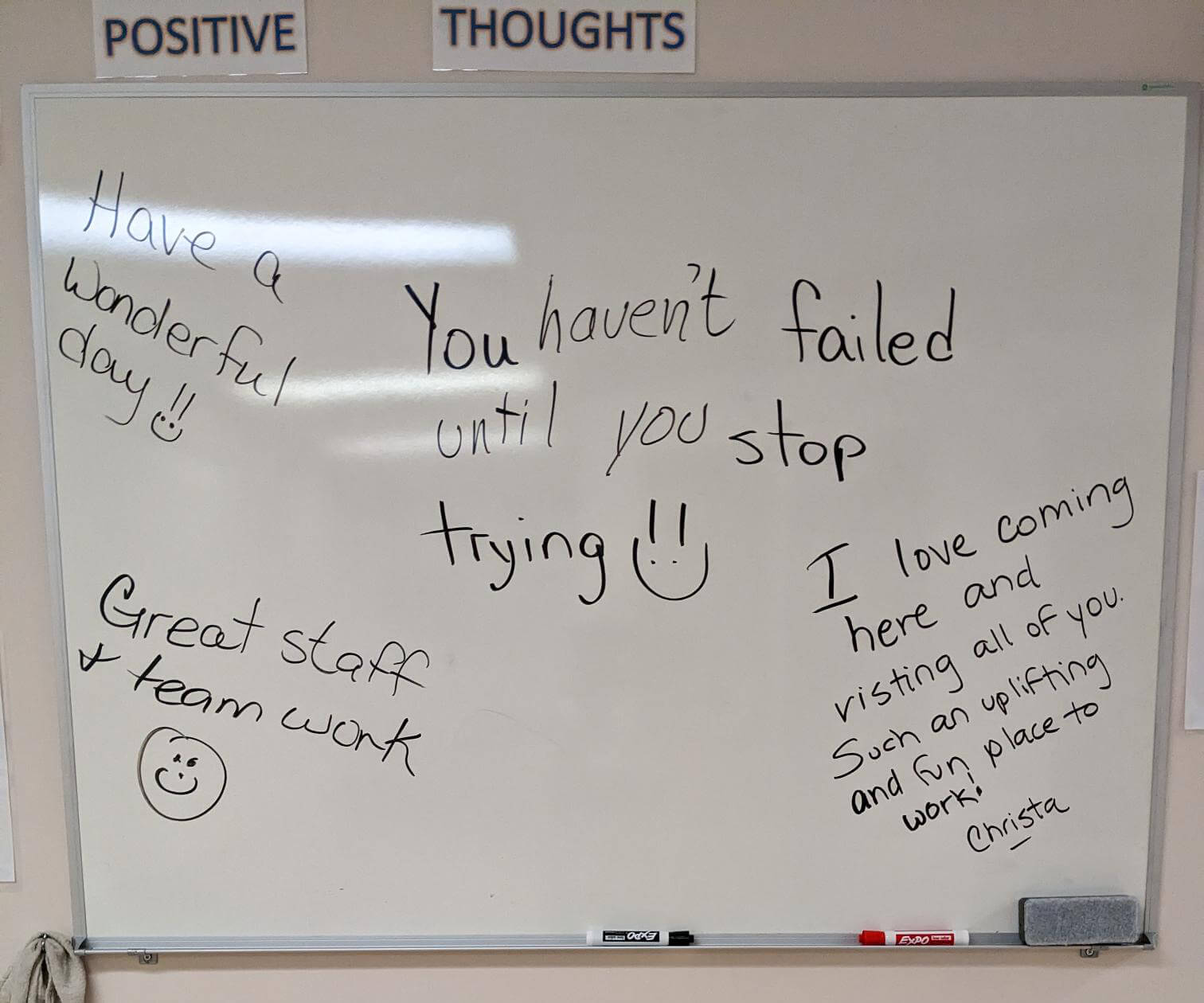
Christa Veitch was hired as the Project Manager and has been working with Kim and the Erickson Health Centre staff to implement simple, evidence-based wellness strategies for staff and residents. These strategies aim to strengthen the overall wellness of staff on an individual level, as well as improve the team culture and facility atmosphere. These efforts will not only help the Erickson Staff live a higher quality of life but will also ensure the highest quality of care to residents and patients is consistently provided.
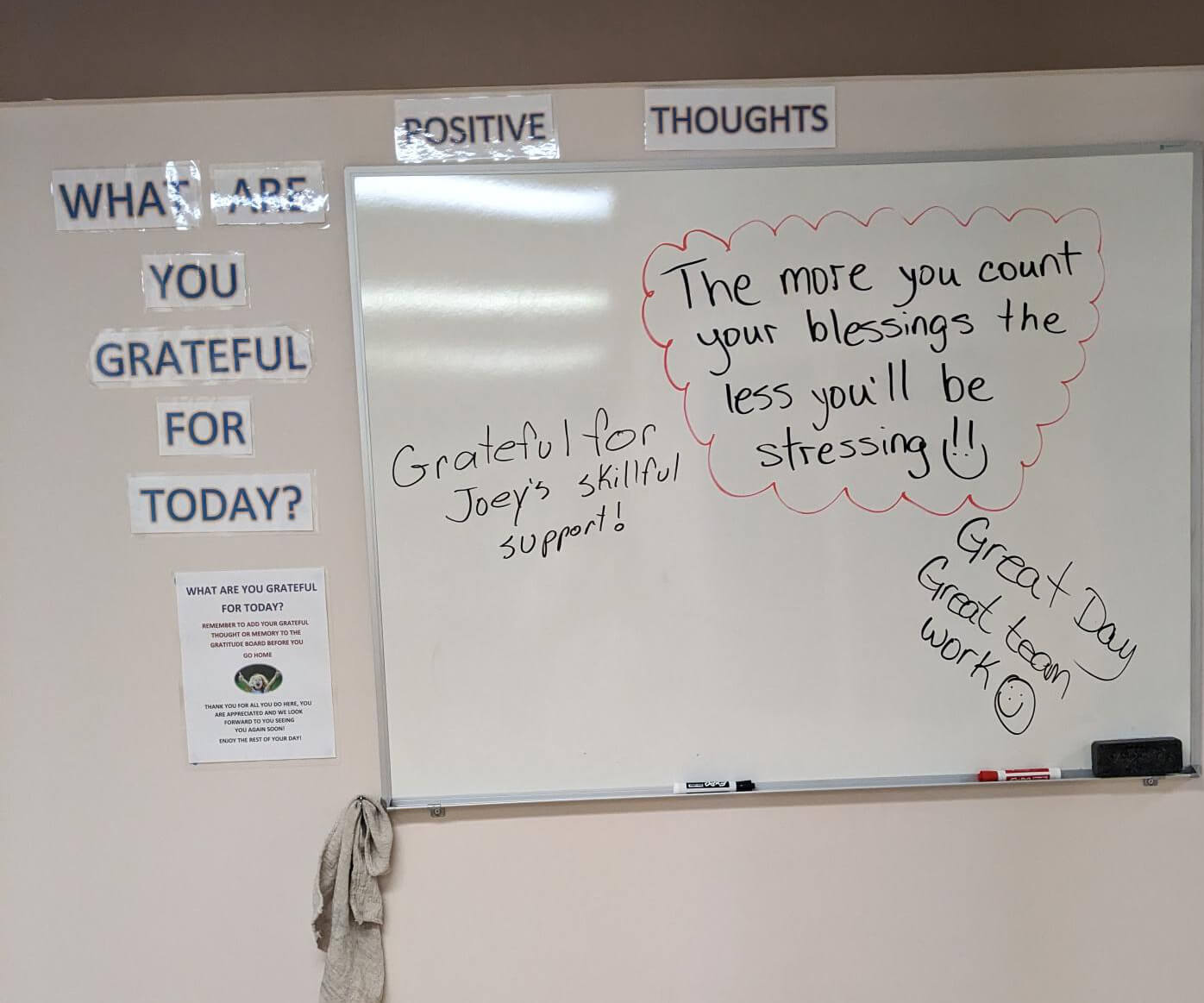
To kick off the project, Christa held training sessions for the staff featuring the importance of improving one’s mental, emotional, and physical wellness and introduced various wellness strategies. Two main strategies were chosen to implement into the workplace. One is the practice of deep breathing prior to and throughout the workday, the other is the practice of expressing daily gratitude. Each day, deep breathing is practiced with the staff before they start their shift and encouraged throughout the day. The Gratitude Board was created for staff to write a kind word or statement of gratitude before they leave the building at the end of the day. The residents are also practicing deep breathing as part of their daily activities.
On a bi-weekly basis, Christa has been creating a newsletter called “Your Mental Wellness Matters” which features a new wellness topic, self-care tips, and communication for staff regarding the project.
Fun is a critical element of wellness, so the Erickson Elementary students provide a “Joke of the Day” for everyone to enjoy. Also, there is a monthly challenge for staff (for example “scavenger hunts” where staff investigate which co-worker matches the statements they are given and then provide proof with their colleague’s initials i.e. find a person who wears crocs all year round). This has created a lot of chatting and laughs!
We plan to increase connections with staff by hosting events such as barbecues, a theatre event and possibly other events in Riding Mountain National Park.
To measure the project’s success, Holly Reimer (Decision Support Analyst) created a pre-project survey for all staff to complete that captured current personal wellbeing measurements. This survey will be re-issued to the staff members three more times throughout the year to measure results. Holly is also measuring financial data related to attendance that may offer additional measurements of staff well-being related to this project. Additional data is collected on the daily strategies as well.
We are only 4 months in, and it is safe to say this project has had a positive impact! Success would not be possible without the support of Tracey McFarlane, Activity Recreation Coordinator. Tracy has played a major role in helping us reach the project goals. We also have an excellent leadership group who has encouraged the staff to practice the wellness strategies daily. The staff members have been open-minded to learning new ways to improve their wellness, and have encouraged each other to participate and have fun with this new way of working.
We look forward to continuing to make strides in improving the overall wellness of the residents and staff at Erickson Health Centre! Thank you to the Health Care Excellence Grant for this amazing opportunity.
To learn more about this project, contact Christa Veitch – [email protected]
Feeling deflated with how prices have inflated? Try these strategies to help your food dollars go further.
Make a menu and stick to it
Take stock of what you have in the fridge, freezer and pantry. Use what you have and what’s on sale to plan your main meals for the week.
Plan some plant-based meals
Manitoba is the second largest producer of dry beans in Canada (1)! Dry beans are an excellent source of protein, fibre, vitamins and minerals. Drain and rinse a can of beans to top a salad, stir into a soup or replace ground meat in your favorite pasta sauce. Try out the black bean and corn salsa recipe below as a topper for tacos or transform the leftovers into a topper for scrambled eggs or just enjoy on its own!
Shop with the seasons
It pays back in price and quality to shop in season. Summer is bursting with cherries, berries, cucumbers, tomatoes, peppers, peas, beans and more. In colder months, take advantage of produce that stores well like apples, cabbage, carrots, and potatoes. When on sale, stock up on frozen, canned and dried options to take the place of fresh in off seasons or between grocery shopping trips.
It doesn’t have to look perfect to taste great
Combat food waste and rising cost by taking home less than perfect looking produce from grocery store clearance sections, apps like Flashfood or dedicated store fronts like the Food Rescue Grocery Store in Brandon. Imperfect produce makes delicious smoothies, soups, stews and baked goods. Stale breads can be given a second chance as French toast, croutons or bread crumbs.
For more tools to get started with meal planning, making the most of your food budget and great recipes, check out the information and tools from www.unlockfood.ca.
Black Bean and Corn Salsa
1 can black beans, drained and rinsed 2 cups frozen corn, thawed ½ cup chopped onion 1 chopped green pepper 1 chopped orange, red or yellow pepper 1-2 tablespoons canned jalapenos, finely chopped (optional) 1-2 tablespoons brine from canned jalapenos (optional)
Dressing 1/3 cup white sugar ¾ cup apple cider vinegar ¼ cup canola or olive oil
In a small pot, over medium heat, stir together dressing ingredients and bring to a boil. Let cool.
Mix beans, peppers, onion, corn and jalapeno juice (if using).
Pour dressing over mixture.
For best flavor, chill for at least 1 hour before serving.
Many of us take our speech, hearing and swallowing for granted. We often do not think about it until something happens to our own health, or that of a loved one.
Have you worked with a Speech-Language Pathologist or Audiologist before? We have a wealth of knowledge and experience, and can help you understand the challenges you may be facing with your communication, hearing or swallowing. We can help find a solution that works for your life, and gets you back involved in the things you love to do.
Think about some times you use communication, hearing or swallowing:
Eating Christmas dinner
Chatting to a friend in a noisy restaurant
Reading and making a family recipe
Calling your mom on the phone
Drinking your morning coffee
Texting your friends
Listening to music
Reading stories with your grandchildren
Listening to the birds
Now imagine…
What if you couldn’t swallow without coughing and choking?
What if you couldn’t hear your friends?
What if you could never think of the right w… w… w… oh, I give up.
What if your speech was slurred?
How would that impact the things you love to do, and your connections with the people around you?
Speech-Language Pathologists (SLP)
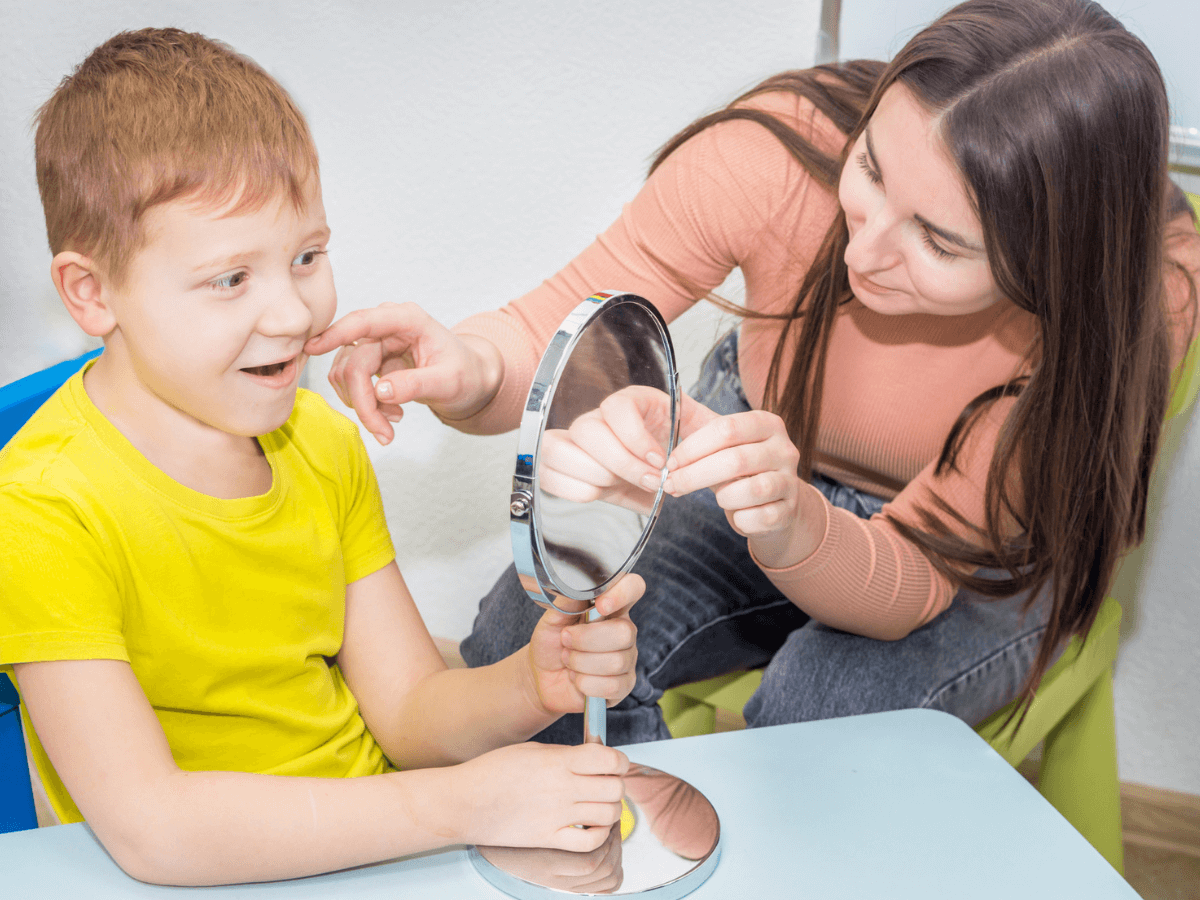
SLPs are regulated health professionals who have a master’s degree in speech-language pathology. They provide individualized care to meet the needs of people with communication and swallowing difficulties. They focus on prevention, evaluation and management of communication and swallowing disorders across the lifespan. Services may address a range of concerns including difficulties with speech sound production, voice, resonance, fluency, language comprehension and expression, literacy, cognitive-communication, augmentative and alternative communication (AAC) and feeding and swallowing.
Audiologists
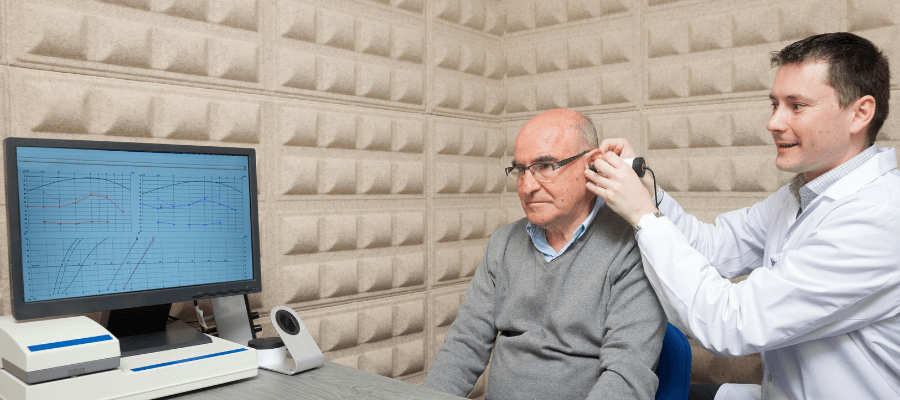
Audiologists are regulated health professionals who have a master’s or doctorate degree in audiology. They provide individualized care to meet the needs of people across the lifespan with hearing and balance issues. They focus on the prevention, assessment, diagnosis and management of hearing and balance disorders. Services may address a range of concerns including hearing loss, central auditory processing, tinnitus, sound tolerance disorders and balance (vestibular) issues. Audiologists also provide guidance on hearing loss prevention.
If you know an Audiologist or Speech-Language Pathologist, please take the time to thank them for the good work they do. If you feel you may require their services, please discuss the possibility of a referral with your family physician.