It stinks so good! I’ve noticed a trend in Westman – more locally grown garlic at farmers markets and grocery stores. Garlic is planted in late fall and harvested in the summer and early fall. Why are we talking about garlic in February then? Well that garlic that is nicely tucked underground for the winter can be stored for a long time after it is harvested and cured. Some varieties will store for over 12 months with the right temperature and humidity controls. Humans have been enjoying garlic for thousands of years. When cooking we generally eat the bulb, raw, cooked or powdered. Garlic’s strong flavour mellows and sweetens with cooking. Garlic is key in many cuisines from around the world and to some considered the world’s number one spice.
Buy garlic with firm cloves and dry skins. Store in a cool dry place, but not in the fridge (otherwise it might start to sprout). Crushed or diced garlic is also available in jars that need to be refrigerated after opening. Don’t have a garlic press? No worries, mince by making lengthwise cuts down one side of a clove of garlic, then flip the garlic over and cut it, then chop into fine pieces. To roast garlic, slice off the top if the bulb and place on a sheet of aluminum foil. Drizzle with oil and sprinkle with salt and pepper. Wrap it up in the foil and bake at 350F for approximately 40 minutes. Allow to cool then squeeze the bottom of the bulb and the cloves will come right out. Roasted garlic is great in many dishes including mashed potatoes, meat, sandwiches, and pasta. Make delicious garlic bread by mixing roasted garlic with butter or margarine, spread on bread, then grill or broil or try this roasted garlic hummus recipe. Don’t have any fresh garlic on hand – don’t worry you can use 1/8 teaspoon of garlic powder in place of 1 glove of garlic.
16th Annual Camp Bridges Weekend Set for Circle Square Ranch, Austin MB
16th Annual Camp Bridges Weekend Set for Circle Square Ranch, Austin MB
“Love builds bridges where there are none”
Prairie Mountain Health is organizing the16th annual Camp Bridges, a weekend camp for bereaved children and teens. Camp Bridges will be held at Circle Square Ranch, Austin MB on May 24, 25 and 26, 2024. The goal of Camp Bridges is to support children and teens with their grief and bereavement. This is achieved through activities designed to help share grief and honour memories in a caring community environment.
Camp Bridges provides a safe, supportive and fun environment where grieving children and teens learn that they are not alone in their grief and are free to share their thoughts and feelings with peers who are going through a similar experience. The camp is intended to complement existing bereavement services for children and teens by providing a weekend of “caring, sharing and memories”.
Camp Bridges accepts up to 40 applicants each year. Children and youth between the ages of 7-15 years of age, who reside in Manitoba, are welcome to apply. If you have any questions please contact a member of the Camp Bridges Planning Committee. The application deadline is May 1, 2024.
Volunteers are needed for Camp Bridges 2024. Volunteering is a rewarding experience that makes a difference in the lives of children and youth. Please contact Carla Mitchell (204-578-2310) for more information. The application deadline for volunteers is March 20th, 2024.
Donations are being accepted to cover the cost of camp rental, meals and activities, so that campers may attend at no cost. If you wish to donate to Camp Bridges please contact Melissa Peters at 204-578-2340 or [email protected].
More information, including camper and volunteer applications are available on our website or contacting a member of the planning committee. Thank you.
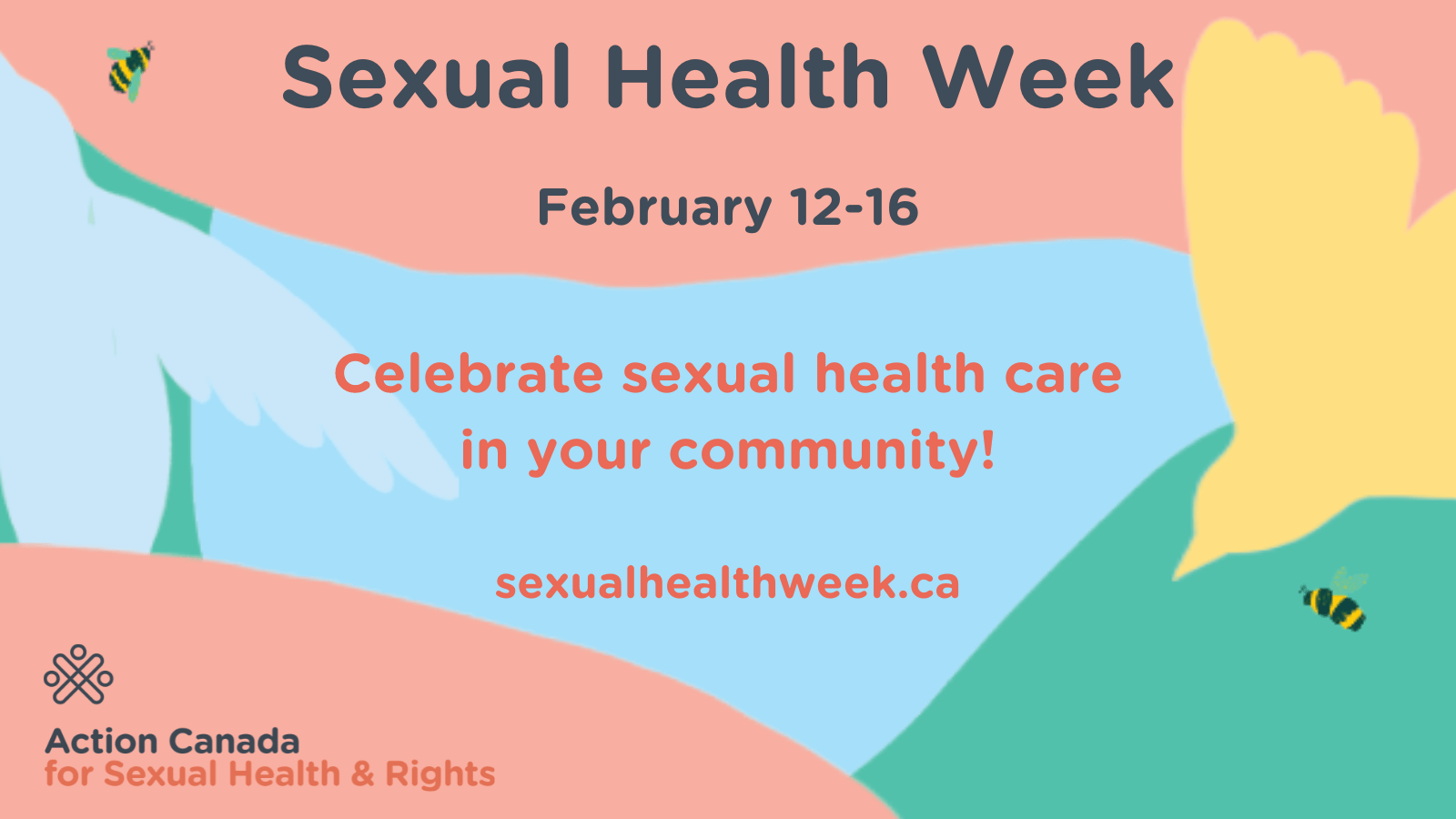
Sexual Health Week is Action Canada for Sexual Health and Rights’ signature public health campaign. For over 20 years, this time has been dedicated to raising awareness on key issues in sexual health, education, and health care.
This week is a celebration of people’s amazing work to improve sexual health access and services across Canada and worldwide! Together, we’re highlighting essential resources and programs, all building towards improving sexual health outcomes for everyone.
Sexual Health is for Everyone
Sexual health is an important part of our overall well-being, just like physical and mental health. Sexual health is connected to more than just pregnancy or sexually transmitted infections – sexual health includes things like how we feel about our bodies, consent, social relationships, pleasure, our identities, who we’re attracted to, and more!
Since sexual health is connected to so many aspects of our lives, there are many different sexual health support services in our communities! Sexual Health Week is a chance for all of us to celebrate the amazing services, resources, and organizations working to improve sexual health outcomes so we can all live fuller, healthier, and happier lives.
From February 12-16, 2024, we invite everyone to talk about how sexual health is important in our lives. You can participate by getting STBBI tested and learning about a new sexual health topic, for example, a new birth control method. You can learn how to communicate about your feelings, explore your sexuality, or maybe you want to learn more about how to give consent and listen for consent. Perhaps you are a parent or guardian who wants to start having conversations with your teen about sexuality. Whether you are 17 years old and learning about sex for the first time or 67 years old and entering the dating world again, there is something for all of us to learn! This week is a chance to tell people about the tools and groups that help us better understand sexual health and help us envision a healthier, inclusive, sex-positive future for everyone – because sexual health is for everyone!
If you are interested in STBBI testing, please check out the following locations or contact your local public health nurse or primary care provider:
Medical students visit PMH as part of rural interest group
Medical students visit PMH as part of rural interest group
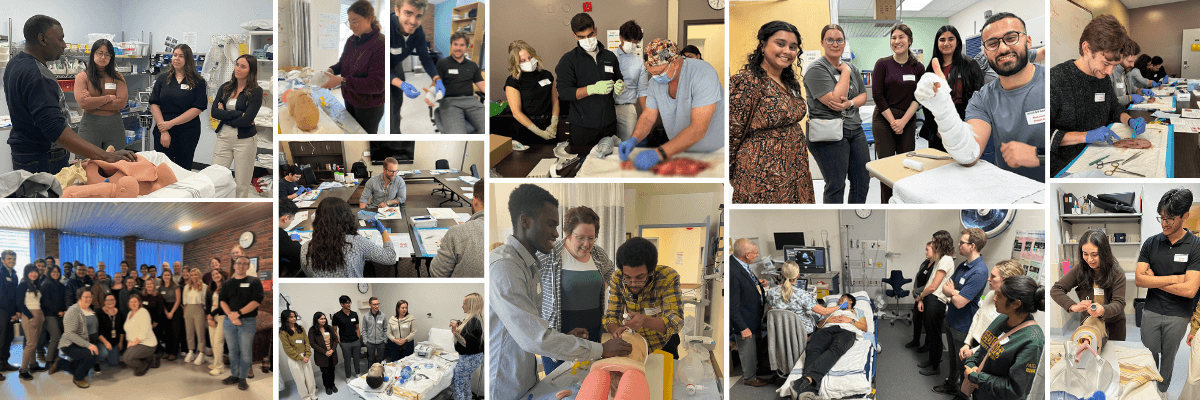
In partnership with Health Careers Manitoba and the Max Rady College of Medicine, Faculty of Sciences, Prairie Mountain Health (PMH) hosted the University of Manitoba medical student Rural Interest Group in Brandon and Souris on January 26-27, 2024. The Rural Interest Group (RIG) weekend promotes the benefits of practicing medicine in rural communities and available lifestyle opportunities. A record 55 first and second-year medical students participated in the region this year with groups split into clinical workstations at each site.
Student RIG President Vienna Peters says participants were very pleased with the event.
“On behalf of both the Rural Interest Group and the University of Manitoba Medical Classes of 2026 and 2027, I would like to extend a huge thank you to PMH for hosting us again this year. These events are so important for our education as they expose students to what it is like to work in rural medicine, provide opportunities for students to network with doctors and residents, and give us an idea of what it is like to work within the health region.”
PMH Chief Medical Officer Dr. Adrian Fung says the RIG workshop provides the health region with additional opportunities to engage medical students early in their training.
“We continue to have success with this proactive and student-led initiative,” Dr. Fung stated. “Brandon Regional Health Centre (BRHC) has been a mainstay for this workshop and the community of Souris has also been a proud host in past years. The region participates in, and explores, many avenues of health-care provider recruitment. This event, and the Rural Week event in May are two that create a lot of interest and excitement every year!”
Manitoba Health, Seniors and Long-Term Care Minister Uzoma Asagwara supports and appreciated the workshop’s objectives.
“I started out my career in rural Manitoba as a psychiatric nurse, it was the best training ground for me to develop my skills and pursue my passion for healthcare. Working in rural Manitoba affords you the ability to really connect with folks in the community, and for me that was most important.”
Health Careers Manitoba and PMH sincerely appreciated the support of regional physicians, staff and volunteers who helped make the RIG weekend a success.
First phase of Dauphin Regional Health Centre renovations completed
First phase of Dauphin Regional Health Centre renovations completed
New cancer care unit open; endoscopy suite next
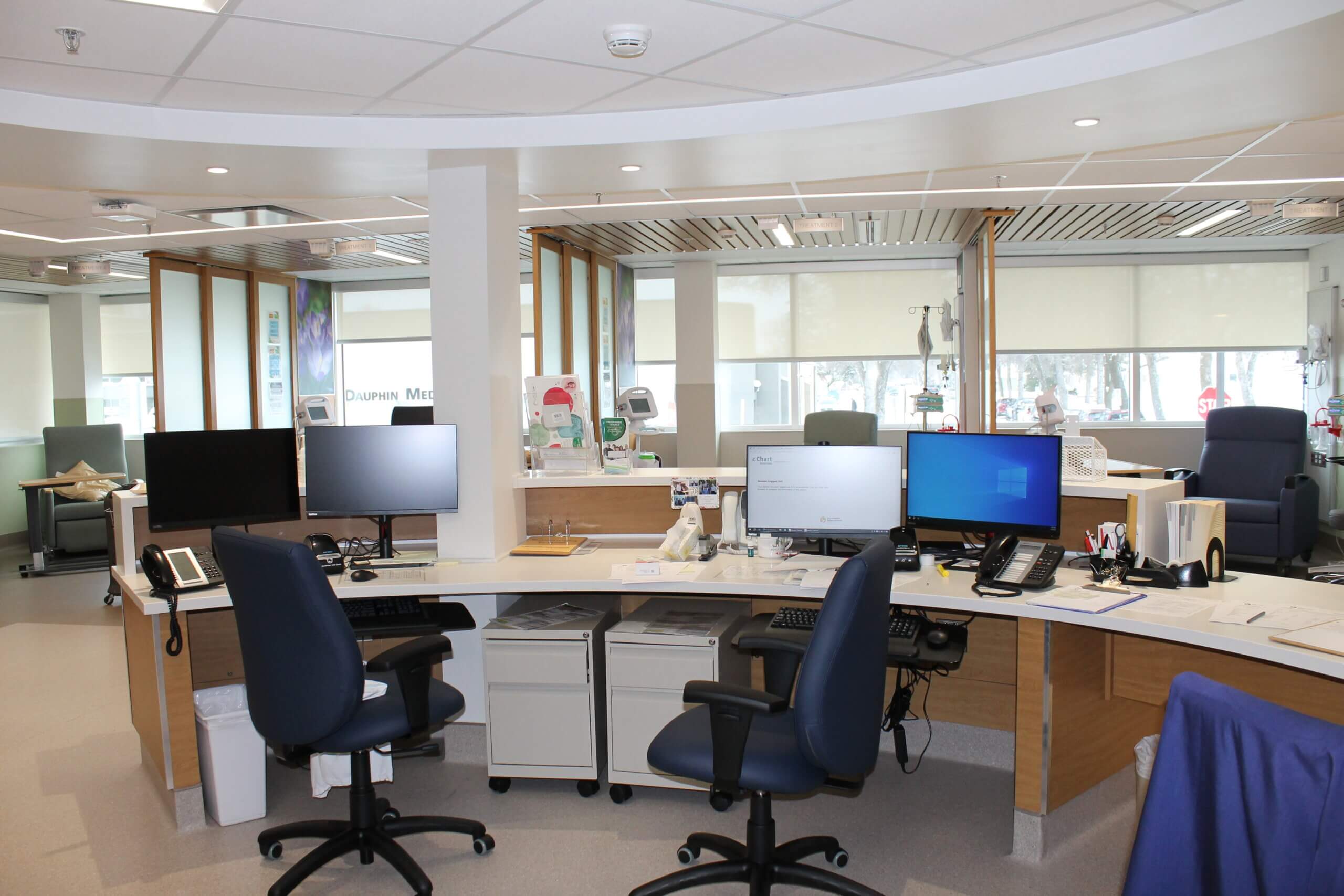
Staff have full view of all patients during treatment
The first phase of significant renovations at the Dauphin Regional Health Centre is now complete, which provides a larger and more modern space welcoming cancer patients to receive the treatment they need.
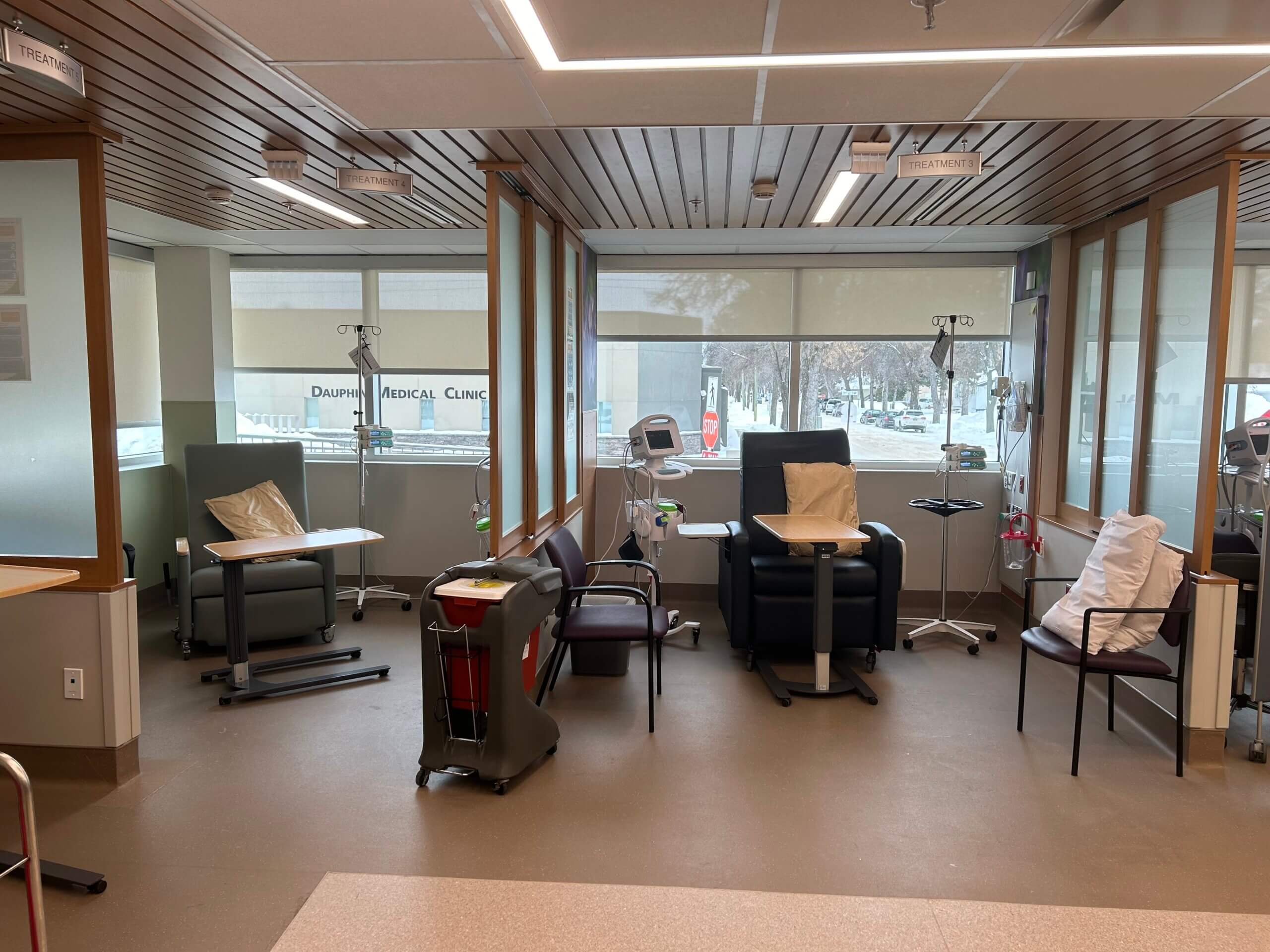
As part of the project, space on the first floor of the hospital was renovated to accommodate an expanded CancerCare Manitoba (CCMB) unit. The renovated area on the first floor is 50 per cent larger, adds one new exam room for a total of two, and relocated five treatment spaces. The renovations were completed in late 2023 and the first patient was seen in early January 2024.
The new cancer care/chemotherapy unit offers other features, including:
New treatment pods
Additional space and more patient privacy within the Unit;
Better treatment functionality, including much-improved nurse sightlines;
An enhanced medication preparation area;
Two larger patient examination spaces.
Prairie Mountain Health notes the adjacent endoscopy suite will begin operation very soon. This will relocate all endoscopy procedures out of the existing operating room, further freeing up operating space within the hospital, thereby increasing surgical capacity.
Second Phase
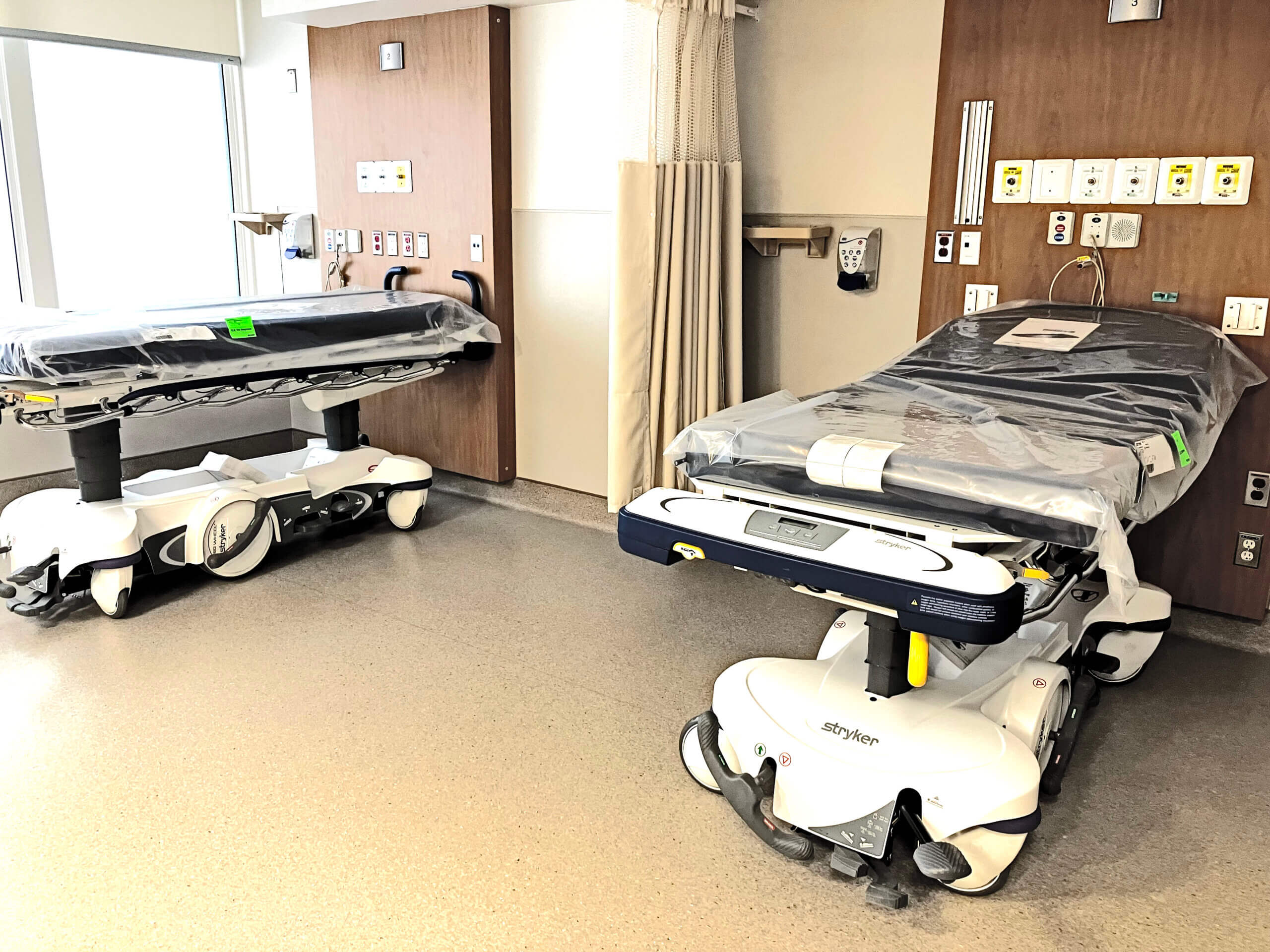
New endoscopy treatment beds
As part of phase two, renovations on the second and third floors of the hospital are now underway. Nine new beds (seven on the medical ward and two on the surgery ward) are being added which will increase capacity within the second largest acute care centre in Prairie Mountain Health region. With the move of the cancer care unit from the third floor, its former space will be renovated into a new physiotherapy unit, which includes occupational and physiotherapy.
It’s anticipated second phase renovations will be completed in late summer 2024.
Manitoba Premier & Stakeholders tour facility
Manitoba Premier Wab Kinew, Health, Seniors and Long-Term Care Minister Uzoma Asagwara and CancerCare Manitoba CEO Dr. Sri Navartnam were all in Dauphin January 24 to acknowledge the significance of the clinical space improvements.
“This renovation will not only mean more space for cancer patients receiving chemotherapy, it will add more endoscopy capacity, reduce surgery wait times and it will enhance the Dauphin Regional Health Centre to allow more patients from across the Parklands to access health care. It’s one more step in our government’s commitment to improving health care in the Parklands,” Kinew stated.
Representatives from the Province, CancerCare Manitoba (CCMB) and Prairie Mountain Health gather outside Dauphin Regional Health Centre January 24, 2024. From left are: Ron Kostyshyn (Minister of Agriculture and Dauphin MLA), Ruth Loewen, (CCMB Director, Community Oncology Program), Ken Borce, (CCMB Chief of Clinical Operations), Dr. Sri Navaratnam (President and CEO of CancerCare Manitoba), Manitoba Premier Wab Kinew, Uzoma, Asagwara, Minister of Health, Seniors and Long Term Care, Brian Schoonbaert (CEO of Prairie Mountain Health) and Brent Gibson, (CCMB Chief of Corporate Services and Finance).
The hospital’s endoscopy services will also move to the main floor soon, minister Asagwara added. This will add one new procedure room and six pre-/post-recovery spaces. Once fully operational, up to 300 more endoscopies will be able to be performed at the site annually, while also freeing up space in operating rooms. This shift will help increase surgical capacity in Dauphin, the minister noted.
“Building both physical and human capacity is vital to sustaining cancer services,” said Dr. Sri Navaratnam, president and chief executive officer, CancerCare Manitoba. “I am very pleased that this renovation supports CCMB’s ability to continue to provide access to high-quality cancer services closer to where the patients live.”
“Working with its health partners and stakeholders, Prairie Mountain Health is pleased the initial phase of the clinical spaces transformation project has come to fruition,” said Brian Schoonbaert, chief executive officer, Prairie Mountain Health. As the second phase of the project proceeds, we are ensuring Dauphin Regional Health Centre continues to play a vital role in the provision of patient and client care regionally and provincially moving forward.”
Older adults want to age in place, meaning they want to live safely and independently in their home for as long as they can.
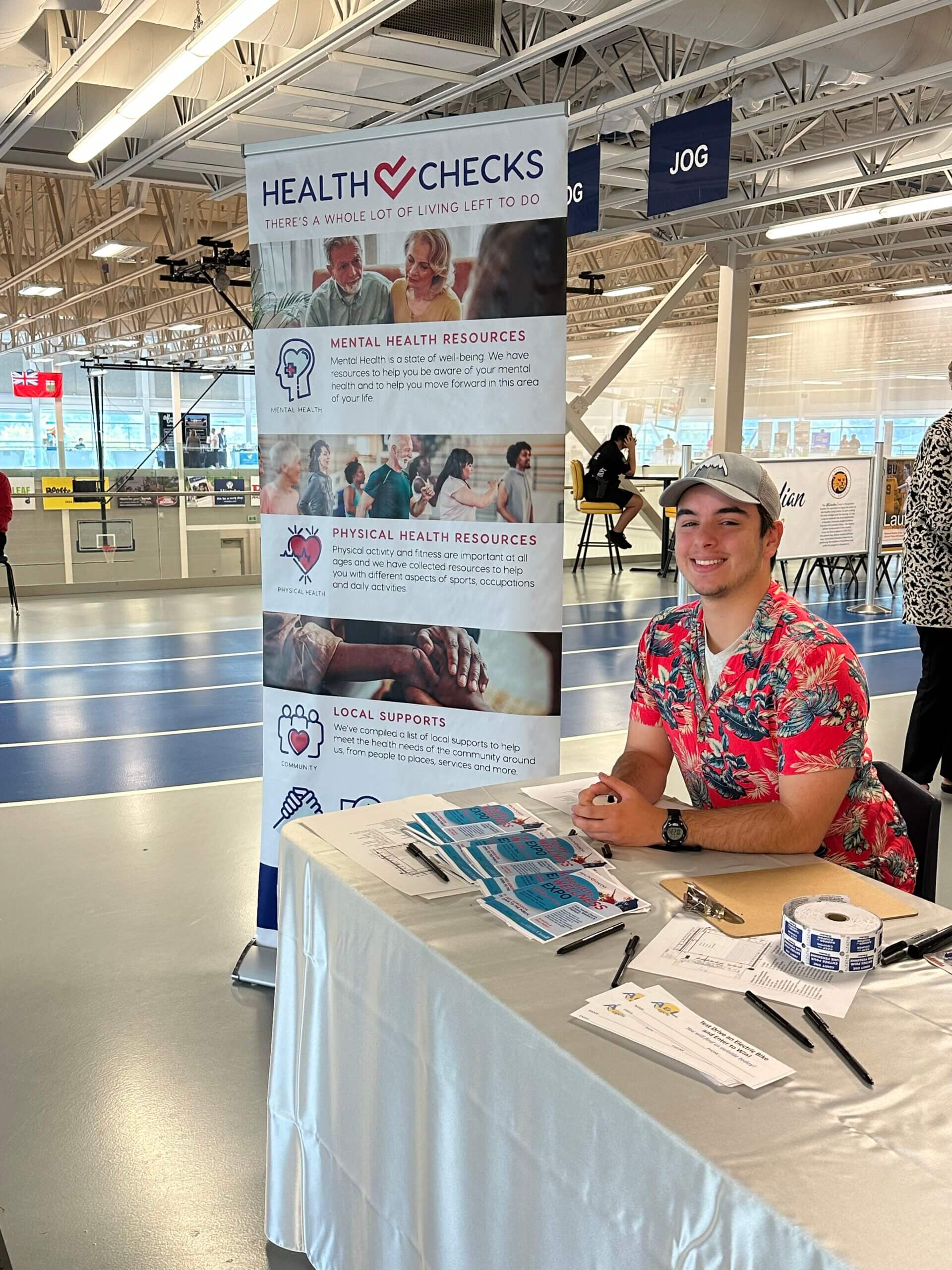
1n 2019, community members and organizations in Brandon recognized a need to provide health and social supports to this growing population and formed a community coalition called Health Checks – There’s a Whole Lot of Living Left To Do.
The focus of this community effort is to promote the well-being of older adults and to strengthen their right to self-determination, respect, and dignity so they can age to their full potential.
The Health Checks steering committee consists of provincial and local non-profit organizations (i.e. Age Friendly Manitoba, United Way, Alzheimer Society of Manitoba, Seniors for Seniors), Prairie Mountain Health, community dwelling citizens, consultants and researchers from Brandon University.
Health Checks has many initiatives on the go. To date the committee:
Alzheimer Society of Manitoba, partner and member of the Health Checks steering committee
conducted a community survey to residents and health professionals; results were used to plan initiatives
provides content for the Conversations on Aging program on WCGtv Channel 1012
provided input into City of Brandon recreation master plan
hosts an elder abuse awareness event in June
plans, delivers and evaluates a free, annual event in Brandon to provide resources, presentations, and health screening to older adults and caregivers of older adults.
Health Checks had their inaugural annual in person event in the fall of 2019. The pandemic challenged the Health Checks committee to think outside the box and used digital media platforms, including community television, to offer the annual event virtually in 2020 and 2021. The annual event returned to in person in 2022 and 2023.
The Health Checks committee has received grants from the Government of Canada’s New Horizons for Seniors Program, Brandon Regional Health Centre (BRHC) Foundation and City of Brandon to offer free events that are accessible to all.
Since Health Check’s inception in 2019, PMH has been an integral partner in providing reliable health information and screening at the Health Checks annual events.
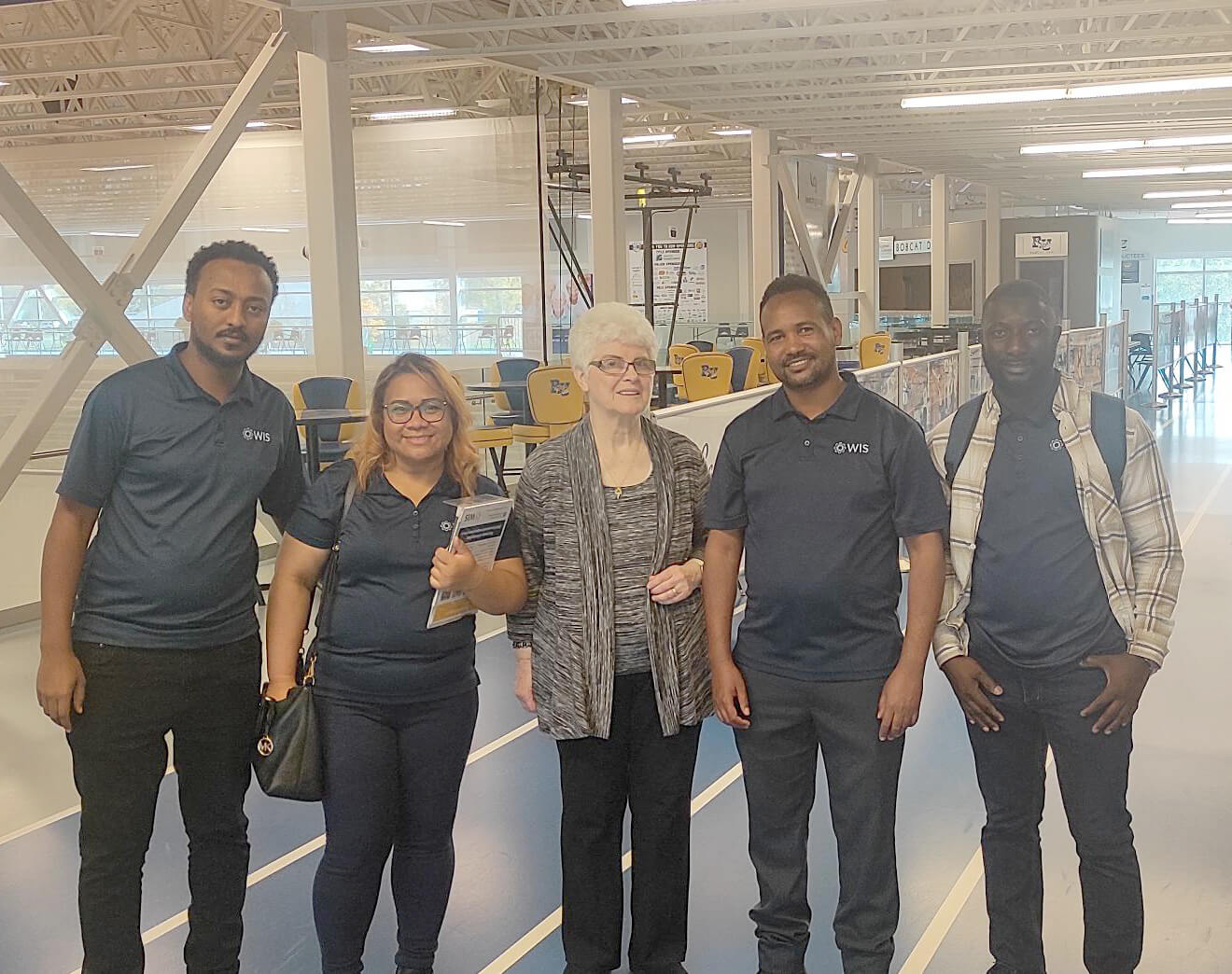
Meryl Orth, founder and co-chair of Health Checks steering committee with Westman Immigrant Services, a partner and member of the Health Checks steering committee.
Overview of PMH programs and services that have participated in the annual events:
CancerCare Navigation Team
Chronic Disease Education Program
Dr. Elizabeth Rhynold, Geriatric Medicine Specialist
Falls Prevention and Management Committee
Health Promotion and Community Development
Home Care
Mental Health
Palliative Care and Bereavement
Pharmacy/My HealthTeam
Planning & Innovation
Public Health (including immunizations and healthy sexuality/harm reduction)
Respiratory
Services to Seniors
Examples of PMH participation in Health Checks annual events:
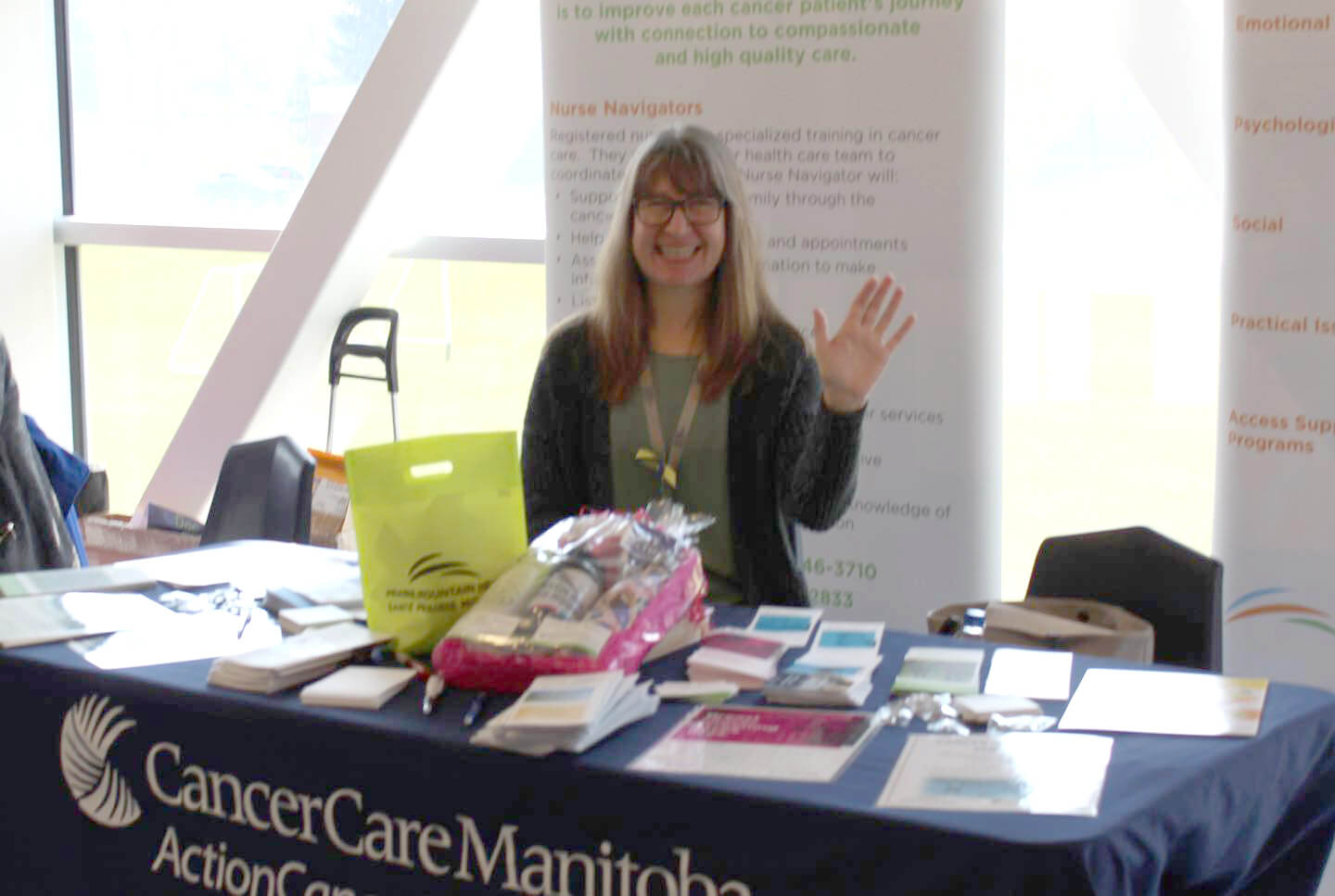
Joyce Gibson, Community Engagement Liaison with CancerCare MB
Input, guidance and expert advice into planning the events (PMH employees, PMH Community Health Assessment)
COVID vaccine clinic
Information booths that provide an opportunity for participants to learn about PMH programs and services and “ask the health expert”
Medication reviews
Older adult nutrition screening
Presentations
Respiratory screening
The Health Checks committee applied for recognition from the UN Decade of Healthy Ageing and the application was accepted as a case study in the 2021-2023 UN Decade of Healthy Ageing progress report.
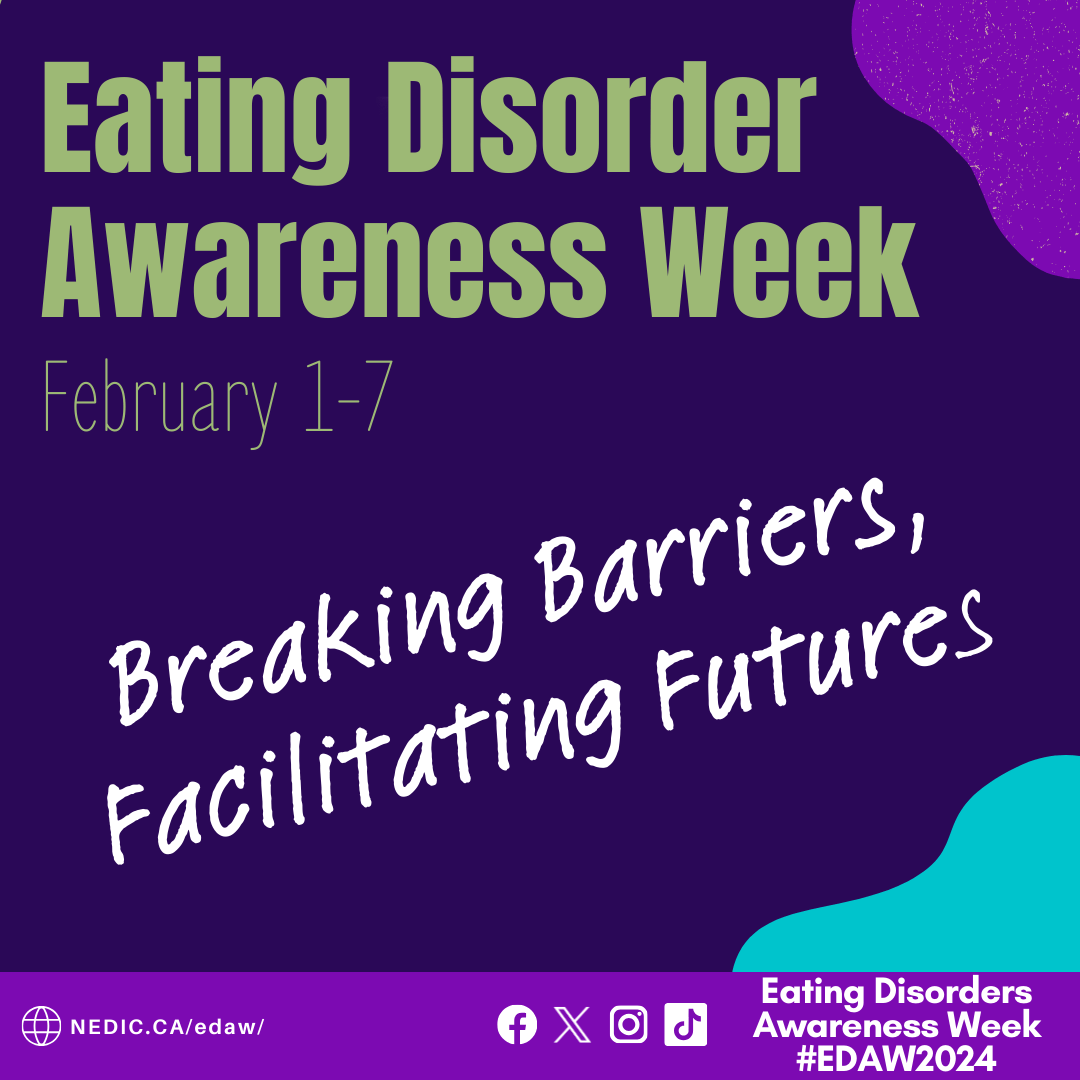
February 1-7 is Canada’s Eating Disorders Awareness Week (EDAW). Every year, the National Eating Disorder Information Centre (NEDIC) collaborates with organizations across Canada on a campaign for EDAW. This year’s theme is Breaking Barriers, Facilitating Futures.
There are immense barriers when it comes to accessing the proper treatment for an eating disorder. Research around eating disorders is underfunded in Canada compared to other mental health conditions, leading to inadequate funding and resources for prevention and treatment. Wait times for publicly-funded eating disorder treatment in Canada can be up to two years, meaning many people seeking treatment have to wait while they are suffering. Some private eating disorder treatment is available but is inaccessible financially for many and may not be adequate for those needing higher levels of care.
In the healthcare field, eating disorders are often seen as a “niche” practice, meaning only some healthcare providers will see patients with eating disorders. However, this view is harmful, as eating disorders affect people of all ages, genders, racial and ethnic identities, sexual orientations, socioeconomic backgrounds, and body sizes. Eating Disorders are severe; they have the highest overall mortality rate of any mental illness in Canada. Healthcare providers need to recognize that they will be working with patients with eating disorders, no matter where they work, and be trained to detect eating disorders. People with eating disorders in our culture may be mistaken for being “well-disciplined” with food, and a healthcare provider not well-versed in eating disorders may inadvertently congratulate and encourage eating disorder behaviours. This creates a barrier to recognizing that treatment is needed and finding the appropriate help.
Some under-recognized barriers to eating disorder treatment highlighted in the EDAW campaign include food insecurity, trauma, co-occurring mental health conditions, as well as gender-affirming care. The EDAW campaign includes social media materials for people with living and lived experience of an eating disorder, as well as people supporting them, the general public, and healthcare providers. As part of the campaign, there are also community rooms, where people with living and lived experience with an eating disorder will connect and work together to map out their journey to accessing help.
To learn more about these barriers and the EDAW campaign, check out https://nedic.ca/edaw/
(18+ only) Call Women’s Health Clinic in Winnipeg for information and referrals at 1-866-947-1517 ext. 137
(All ages) Make an appointment with your family doctor and ask for a referral to the Health Sciences Centre Eating Disorder Program
Register for Body Peace, a FREE online program for anyone in Canada 14+. Whether you’re living with an eating disorder or are concerned about your relationship with food, your body, and/or exercise
To see a Registered Dietitian in PMH call 1-877-509-7852
To see a Mental Health professional in PMH visit our website to find the Access Guide
Strengthening Primary Care in Northern, Rural & Remote Communities
Strengthening Primary Care in Northern, Rural & Remote Communities
It’s an exciting new year for our Population Health and Wellness team with funding approval from Healthcare Excellence Canada (HEC) to participate in the Strengthening Primary Care in Northern, Rural and RemoteCommunities program. The program is designed to improve access to culturally safe primary care closer to home and meet rural and Indigenous communities’ unique needs. People in these communities often require care closer to home to avoid medical transport and transfers and they tend to have poorer access to primary care compared to those living in larger centers.
HEC funding will purchase point-of-care testing equipment to support diabetes and renal screening in specific rural and Indigenous communities. Areas currently served through the Mobile Clinic and Primary Health Care sites were chosen based on established trusted relationships in these communities. The Population Health and Wellness team is partnering with the Chronic Disease Innovation Centre at Seven Oaks General Hospital in Winnipeg to help guide this new initiative.
Ashley Vandepoele, Manager of PMH Health Services and Co-Chair of the team, said, “We know there are communities in our region facing challenges that have an influence on their health, such as genetics and lifestyle choices, where they are born, grow, live, work and their age. Point-of-care testing is effective in reducing health inequities in these communities. On-the-spot testing is cost-effective, enabling easier and faster diagnosis of conditions of high prevalence and pre-disease risk factors in areas with limited structures such as medical laboratories.”
Prairie Mountain Health is one of 20 teams from across the country invited to participate in the program. PMH will work with other providers and organizations who help deliver primary care services closer to home while sharing and learning from other teams. The HEC program will provide tailored support to help participating teams define goals and plans for improvement that meet the needs of unique communities, patients and providers.
Have you heard of “Blue Monday” but are not entirely sure what it is or means? Blue Monday is a term applied to the third Monday of January (January 15 this year!) and has been labeled “the most depressing day of the year.” Its origins, however, had little to do with mental health. A travel company in the UK initially conceived the idea in the early 2000s. A psychologist was commissioned to generate a formula to promote this day as the most depressing time of the year. Obviously, the travel company’s goal was to sell more vacation travel packages to warm and sunny destinations. The formula looked at factors such as shortened daylight hours, Christmas bills coming due, gloomy winter weather, and the point on the calendar where most people tend to give up on their New Year’s resolutions. Though there’s little scientific evidence to claim that it is the most depressing day of the year, in the years following, many mental health organizations jumped on the idea to promote awareness about seasonal depression and the need for support and other self-help strategies to beat the winter blues.
Manitoba’s winters are long, dark, and cold. People must take care of their mental health this time of year. Research suggests that up to 35 percent of the general population experience the “winter blues,” which can include changes in appetite and increased lethargy as the daylight hours grow shorter. The winter blues differs from Seasonal Affective Disorder, or SAD, which affects about three to five percent of the population and is a serious form of depression. Symptoms of SAD include feeling significantly depressed most days, decreased energy, difficulty concentrating, weight gain, and disrupted sleep patterns.
People experiencing the winter blues or SAD can benefit from:
Maximizing exposure to sunlight. Spend more time outdoors during the day and arrange indoor environments to receive maximum sunlight. The use of therapy lamps has proven benefits as well.
Exercise. Exercise relieves stress, builds energy, and increases mental and physical well-being. Make a habit of taking a daily noon-hour walk. The activity and increased exposure to natural light can raise spirits.
Social support and connection. Strong social networks reduce isolation, a key risk factor for depression.
Stress reduction. Make changes in your life to help manage and reduce stress. Too much stress exacerbates depression and puts you at risk for future depression. Take the aspects of your life that stress you out, such as work overload or unsupportive relationships, and find ways to minimize their impact.
While it may not be scientifically accurate to designate the third Monday in January, or any day of the year for that matter, as the most depressing day of the year, it does offer the opportunity to engage in healthy conversations about mental wellness, especially at this time of year. Talking openly about seasonal depression and the support that is available for those who struggle helps reduce the stigma around mental illness and opens pathways for support and recovery. This year, several special events have been planned in the region to highlight the effects of seasonal depression and the support available. Check out the list below to see what’s happening on January 15 in your area:
Dauphin: The Dauphin HERO Club will spread cheer with uplifting inspirational quotes and blueberry muffins in the community. If interested in helping, contact Lori at 204-638-7104 or e-mail [email protected]
Swan River: The Canadian Mental Health Association will set up a display from 9:00-4:00 at the community booth in the Swan Valley Co-op food store. Drop by to pick up information on mental health and chat with a CMHA representative.
Roblin: The Roblin HERO club will be sharing blue treats in their community
Ste Rose: Spiritual Care & Health Promotion – We will share a “sweet“ blue treat, to brighten people’s day. Encouraging everyone to take extra care of themselves by connecting with others, doing something special for someone else to help brighten these winter days. If interested in helping out contact Susan Denhard at 204-447-4360 or email – [email protected]
Dauphin Regional Health Centre announces the arrival of its New Year’s Babies
Dauphin Regional Health Centre announces the arrival of its New Year’s Babies – Twins!
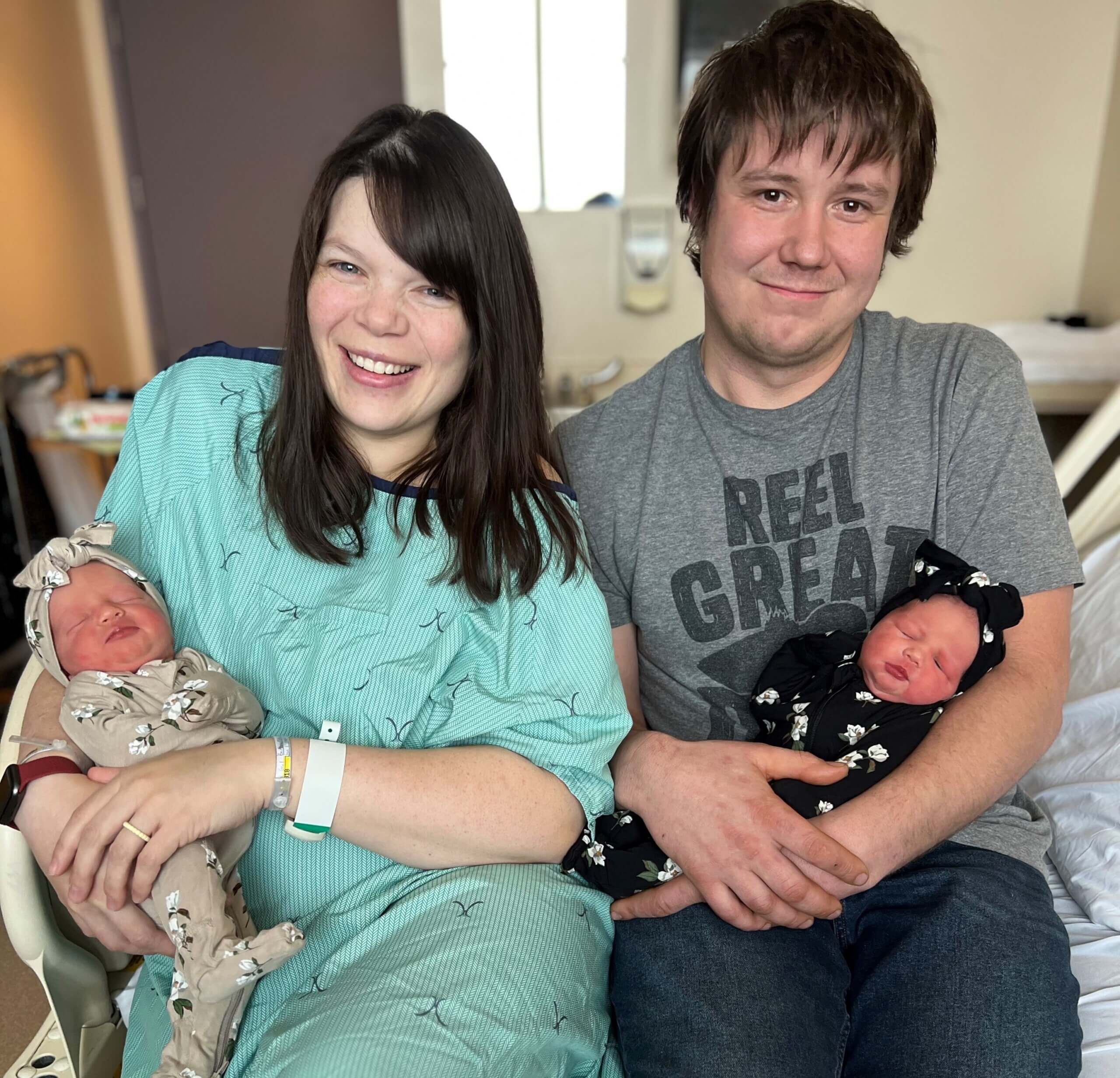
Mom Brittany holding Avery with Dad Kyle holding Harper
The Dauphin Regional Health Centre is pleased to announce the arrival of the first babies born at the Health Centre in 2024. Say hello to ‘twin girls’ and congratulations to proud parents Brittany and Kyle Eden of Ashville, MB.
Baby girl Avery was delivered at 3:00 p.m. on January 1, 2024 and her sister Harper was right behind at 3:02 p.m. Avery weighed in at 6 lbs. 9 oz and Harper weighed in at 6 lbs. 6 oz.
Management and Staff of the Dauphin Regional Health Centre and Prairie Mountain Health extend their congratulations and best wishes to the family!